

Preventable but Persistent: Why TB Still Claims Over 1 Million Lives Annually
As of World TB Day 2026, tuberculosis remains a global health paradox: it is entirely preventable and curable, yet it continues to claim approximately 1.23 million lives each year.
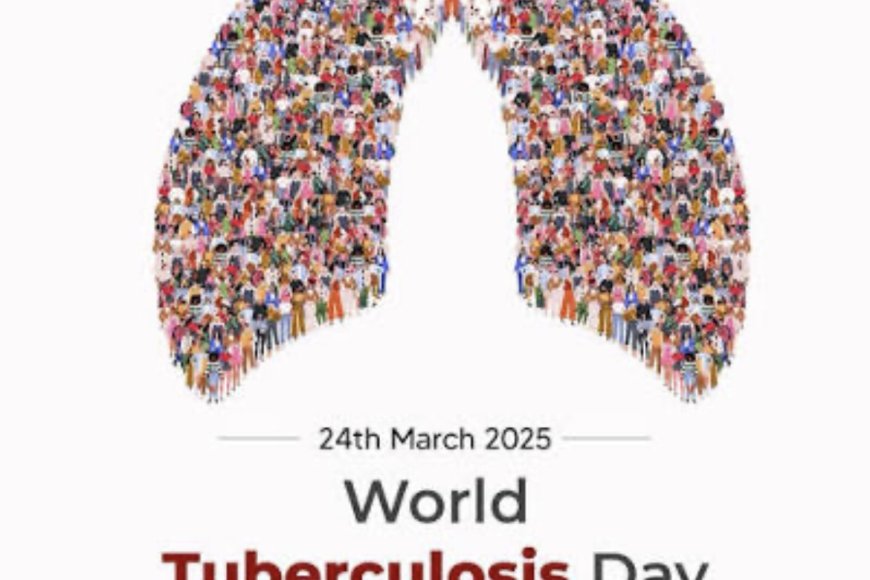
March 24, 2026 — Today marks World TB Day, a global commemoration of Dr. Robert Koch’s 1882 discovery of the bacterium that causes tuberculosis. While it remains one of the world’s deadliest infectious killers, 2026 brings a renewed sense of hope under the theme: "Yes! We Can End TB: Led by Countries, Powered by People.
While global efforts have saved 83 million lives since 2000, tuberculosis remains a critical threat, with 10.7 million people—including over a million children—falling ill in the past year. To meet this challenge, the WHO’s 2026 "Yes! We Can End TB" initiative is shifting toward people-centered innovations like non-invasive tongue swabs, shorter treatment cycles, and localized community care. As Dr. Tedros Adhanom Ghebreyesus notes, ending this preventable epidemic is now a vital political and economic necessity that demands urgent action to protect the world's most vulnerable.
In his keynote address for World TB Day 2026, Dr. Tedros Adhanom Ghebreyesus emphasized that ending TB is no longer just a scientific aspiration, but a matter of political will.
"The theme of World TB Day 2026 is a bold call to action and a message of hope. Ending TB is achievable, even in today’s challenging global environment. We have the tools; what we need now is the determination of leaders to invest in health systems and the power of communities to lead the response. Every dollar invested in ending TB returns up to $43 in health and economic benefits."
To achieve the 2030 goal of eliminating tuberculosis, the WHO is implementing a multifaceted strategy centered on modernization and accessibility. This approach involves replacing traditional testing with non-invasive molecular diagnostics like tongue swabs, accelerating the rollout of shorter treatment regimens to improve patient compliance, and shifting care from large hospitals to local primary healthcare centers. Furthermore, there is a critical push to develop a new, effective vaccine for adults to finally replace the century-old BCG version, ensuring a more comprehensive and community-led response to the epidemic.
Tags: