

From "Killer Gas" to Energy Independence: Rwanda to Launch Lake Kivu Cooking Gas Initiative by Q1 2028
By the first trimester of 2028, Rwanda is turning a natural resource into a national solution, transitioning Lake Kivu’s extracted gases from industrial power generation directly into the heart of Rwandan kitchens.
For decades, the deep, emerald waters of Lake Kivu have held a silent, potent secret. While the world saw a scenic border between Rwanda and the DRC, scientists saw a geological anomaly: a lake saturated with billions of cubic meters of dissolved methane and carbon dioxide.
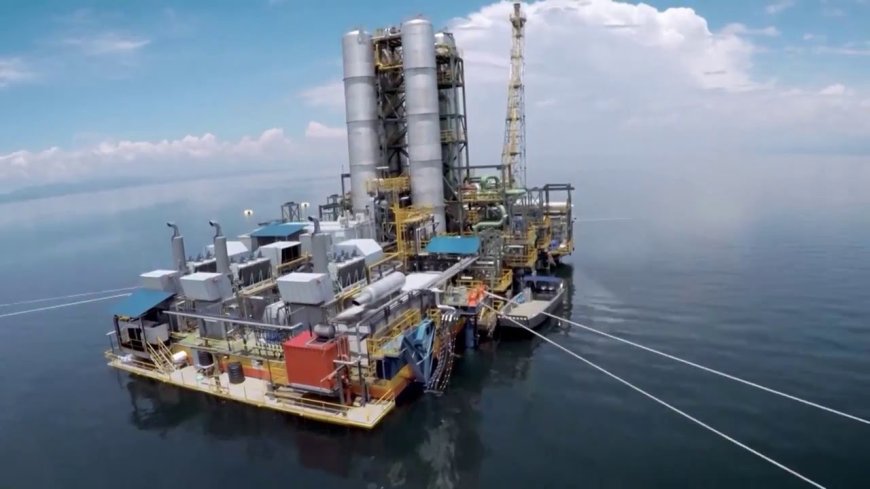
The transition to domestic gas is not just a technical challenge but a strategic one. To ensure maximum impact on environmental conservation, the government is prioritizing high-volume consumers first.
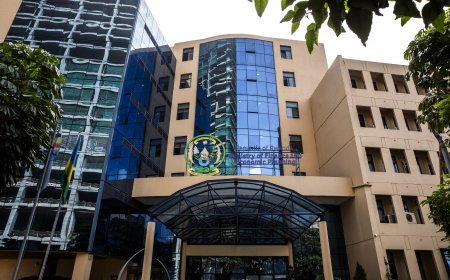
As Jean de Dieu Uwihanganye, Minister of State in the Rwandan Ministry of Infrastructure, through this Sunday's URUBUGA RW'ITANGAZAMAKURU (a local Broadcast Synergy Live debate) clarified:
“We will start using gas extracted from Lake Kivu for cooking in the first trimester of 2028. The first phase of beneficiaries will be those who cook in bulk: schools, large-scale residential institutions, hospitals… For the rest of us, the program will reach us in subsequent phases.” He stated.

Eng.Jean de Dieu UWIHANGANYE, Minister of State for InfrastructureRwanda Ministry of Infrastructure (MININFRA)
Why 2028 Changes Everything
The rollout scheduled for early 2028 focuses on the "bulk-cooking" sector to create an immediate reduction in the nation's carbon footprint.
• Protecting Forests: Large institutions like boarding schools and hospitals are currently among the largest consumers of firewood and charcoal. By moving them to Kivu gas first, Rwanda will see an immediate drop in deforestation rates.
• Public Health: Shifting large-scale kitchens away from solid fuels will drastically reduce respiratory issues for kitchen staff and residents in high-density institutions.
• Economic Stability: By utilizing homegrown gas, Rwanda reduces its dependence on imported Liquefied Petroleum Gas (LPG), shielding the economy from global price fluctuations and strengthening the local currency.
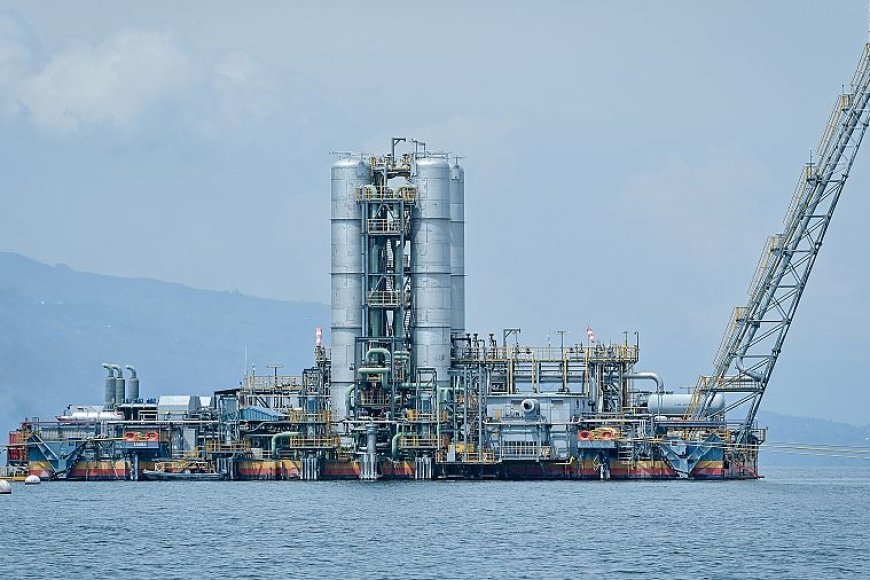
The journey from the lake bed to the kitchen stove is a feat of modern engineering. Specialized extraction platforms use "gas lifting" to draw nutrient-rich, gas-laden water from the depths. While the methane has long been used for electricity via the KivuWatt project, this new initiative focuses on refining and bottling the gas for thermal use.
Tags:

-
 ZerbabelTell them to just help us to get gas low price from lac Kivu