

Rwanda Secures $250 Million IMF Deal to Support Economic Stability and Growth

Rwanda Secures $250 Million IMF Deal to Support Economic Stability and Growth

Apr 2, 2026 - 13:42
 0

Rwanda has reached a staff-level agreement with the International Monetary Fund (IMF) on a $250 million financing program aimed at supporting economic stability, sustaining growth, and strengthening resilience amid global uncertainties.


The agreement, signed under the Extended Credit Facility (ECF), will run for 38 months and is valued at SDR 185 million (approximately $250 million). It now awaits final approval from IMF management and its Executive Board, expected in June 2026.

The new financing program is designed to help Rwanda maintain its reform momentum while addressing external shocks, including the economic ripple effects of the ongoing Middle East conflict.
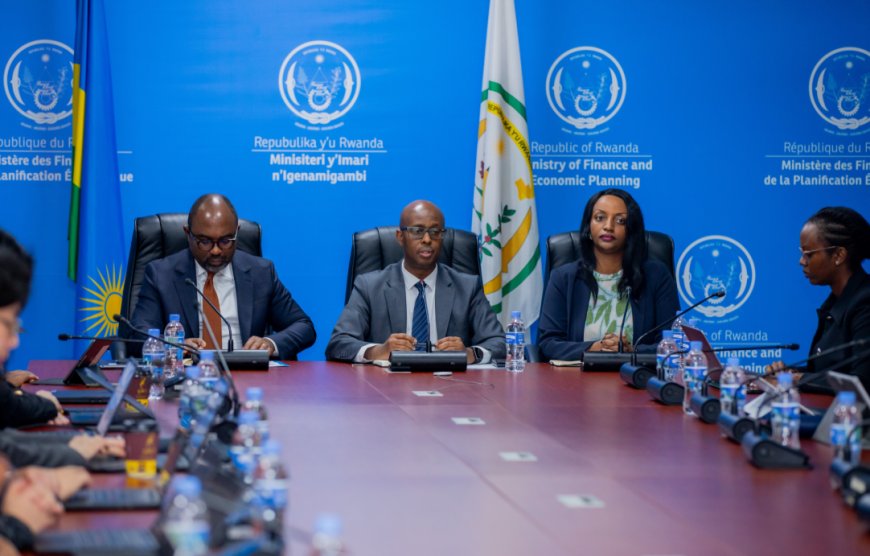
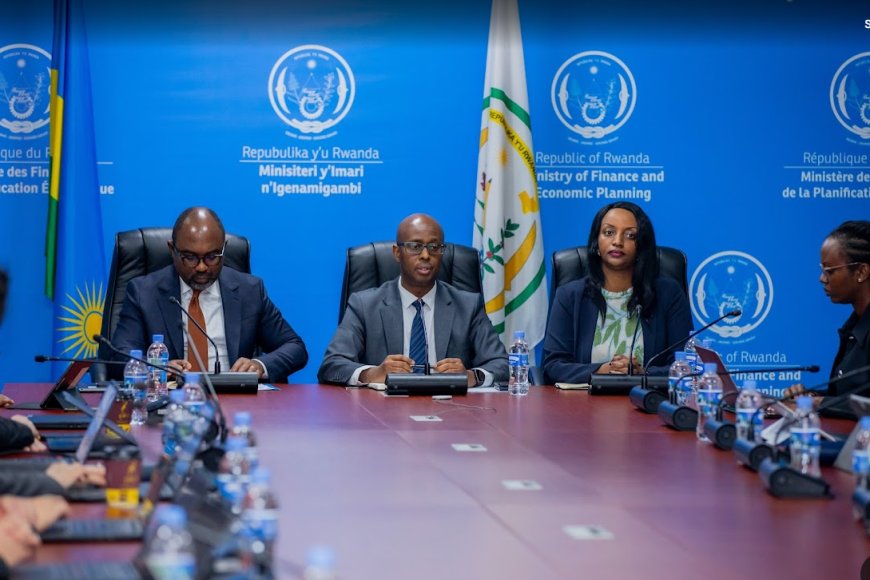
According to Rwanda’s Minister of Finance and Economic Planning, Yusuf Murangwa, the agreement comes at a critical time. “We are pleased with the progress on the ECF program, which will cushion the impact of the Gulf war and declining budget support while sustaining Rwanda's growth, investment ambitions and structural transformation,” he said.

The IMF-supported program focuses on strengthening Rwanda’s economic foundation through three core priorities:

  • Enhancing coherent and consistent economic policies
  • Managing fiscal and debt risks to sustain long-term growth
  • Promoting private-sector-led development with improved oversight of state-owned enterprises

Rwanda’s economy demonstrated strong performance in 2025, growing by 9.4%, significantly above earlier projections. However, inflation rose to 9.2% in February 2026 exceeding the central bank’s target.

The country’s external position improved, driven by robust exports of coffee and minerals. At the same time, imports remained high, particularly for equipment and industrial inputs supporting domestic businesses.

Foreign exchange reserves remain relatively stable, covering more than four months of imports, while recent tax reforms have boosted domestic revenue collection.
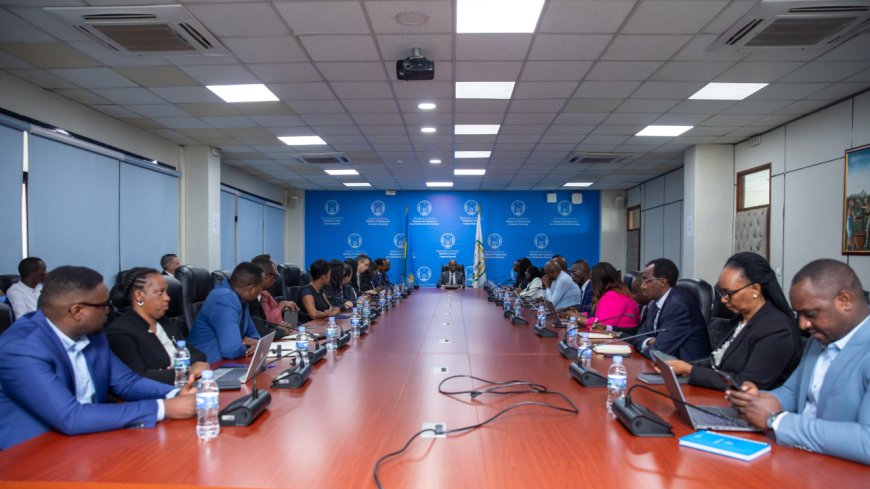
Despite strong fundamentals, Rwanda faces growing external risks. Albert Touna Mama noted that global conditions could weigh on the country’s outlook.

“Rwanda's economy remains resilient with strong 2025 growth, but prolonged war in the Middle East and tighter financing could pressure inflation, external balance, and debt,” he said.

Economic growth is projected to slow to 6.8% in 2026, reflecting pressures from rising global oil and fertilizer prices, as well as ongoing financing needs for large-scale investments.

Other risks include:

  • Volatile global commodity prices
  • Weak global demand
  • Geopolitical tensions
  • Tighter international financing conditions

Rwanda continues to face challenges in rebuilding financial buffers due to repeated external shocks, declining concessional financing, and ongoing investment in strategic projects.

While domestic revenue is improving, increased borrowing may lead to higher public debt and servicing costs.

The government plans to address these risks through:

  • A credible medium-term fiscal framework
  • Implementation of the Medium-Term Revenue Strategy (MTRS-2)
  • Stronger control of foreign-funded capital expenditure
  • Improved financial risk management

To tackle inflation, the National Bank of Rwanda is expected to maintain a tight monetary policy stance aimed at bringing inflation back to its medium-term target of 5%.

Authorities also plan to enhance exchange rate flexibility through regular market-based interventions, helping the economy absorb external shocks and rebuild reserves.

Under the ECF program, Rwanda has committed to advancing structural reforms that will:

  • Support private sector growth
  • Strengthen economic resilience
  • Address external imbalances
  • Protect essential social and development spending

Minister Murangwa reaffirmed the government’s commitment: “The Government remains committed to implementing the reforms under this program to protect Rwandans from external shocks while building a stronger, more self-reliant economy.”

As Rwanda navigates a complex global economic environment, the IMF agreement provides a critical financial and policy anchor. While challenges remain, the country’s commitment to reform and prudent economic management positions it to sustain growth and strengthen resilience in the years ahead.
Rwanda Secures $250 Million IMF Deal to Support Economic Stability and Growth

Apr 2, 2026 - 13:42
Apr 2, 2026 - 19:48
 0
Rwanda Secures $250 Million IMF Deal to Support Economic Stability and Growth

Rwanda has reached a staff-level agreement with the International Monetary Fund (IMF) on a $250 million financing program aimed at supporting economic stability, sustaining growth, and strengthening resilience amid global uncertainties.


The agreement, signed under the Extended Credit Facility (ECF), will run for 38 months and is valued at SDR 185 million (approximately $250 million). It now awaits final approval from IMF management and its Executive Board, expected in June 2026.

The new financing program is designed to help Rwanda maintain its reform momentum while addressing external shocks, including the economic ripple effects of the ongoing Middle East conflict.

According to Rwanda’s Minister of Finance and Economic Planning, Yusuf Murangwa, the agreement comes at a critical time. “We are pleased with the progress on the ECF program, which will cushion the impact of the Gulf war and declining budget support while sustaining Rwanda's growth, investment ambitions and structural transformation,” he said.

The IMF-supported program focuses on strengthening Rwanda’s economic foundation through three core priorities:

  • Enhancing coherent and consistent economic policies
  • Managing fiscal and debt risks to sustain long-term growth
  • Promoting private-sector-led development with improved oversight of state-owned enterprises

Rwanda’s economy demonstrated strong performance in 2025, growing by 9.4%, significantly above earlier projections. However, inflation rose to 9.2% in February 2026 exceeding the central bank’s target.

The country’s external position improved, driven by robust exports of coffee and minerals. At the same time, imports remained high, particularly for equipment and industrial inputs supporting domestic businesses.

Foreign exchange reserves remain relatively stable, covering more than four months of imports, while recent tax reforms have boosted domestic revenue collection.

Despite strong fundamentals, Rwanda faces growing external risks. Albert Touna Mama noted that global conditions could weigh on the country’s outlook.

“Rwanda's economy remains resilient with strong 2025 growth, but prolonged war in the Middle East and tighter financing could pressure inflation, external balance, and debt,” he said.

Economic growth is projected to slow to 6.8% in 2026, reflecting pressures from rising global oil and fertilizer prices, as well as ongoing financing needs for large-scale investments.

Other risks include:

  • Volatile global commodity prices
  • Weak global demand
  • Geopolitical tensions
  • Tighter international financing conditions

Rwanda continues to face challenges in rebuilding financial buffers due to repeated external shocks, declining concessional financing, and ongoing investment in strategic projects.

While domestic revenue is improving, increased borrowing may lead to higher public debt and servicing costs.

The government plans to address these risks through:

  • A credible medium-term fiscal framework
  • Implementation of the Medium-Term Revenue Strategy (MTRS-2)
  • Stronger control of foreign-funded capital expenditure
  • Improved financial risk management

To tackle inflation, the National Bank of Rwanda is expected to maintain a tight monetary policy stance aimed at bringing inflation back to its medium-term target of 5%.

Authorities also plan to enhance exchange rate flexibility through regular market-based interventions, helping the economy absorb external shocks and rebuild reserves.

Under the ECF program, Rwanda has committed to advancing structural reforms that will:

  • Support private sector growth
  • Strengthen economic resilience
  • Address external imbalances
  • Protect essential social and development spending

Minister Murangwa reaffirmed the government’s commitment: “The Government remains committed to implementing the reforms under this program to protect Rwandans from external shocks while building a stronger, more self-reliant economy.”

As Rwanda navigates a complex global economic environment, the IMF agreement provides a critical financial and policy anchor. While challenges remain, the country’s commitment to reform and prudent economic management positions it to sustain growth and strengthen resilience in the years ahead.