

African Union Struggles with Implementation as Development Goals Stall

African Union Struggles with Implementation as Development Goals Stall

Apr 1, 2026 - 17:42
 0

Delays in decision-making and implementation within the African Union (AU) are increasingly raising concerns among analysts, policymakers, and citizens, as Africa faces mounting economic, security, and development challenges.


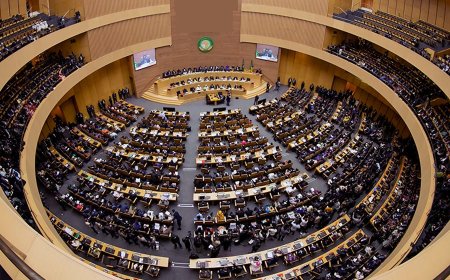
While the AU remains a central pillar of continental cooperation, critics argue that slow responses to urgent issues are hindering progress across key sectors from infrastructure and trade to peacekeeping and public health.

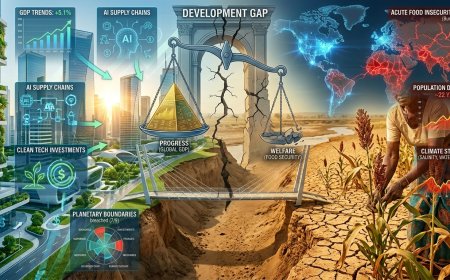
The AU’s long-term blueprint, Agenda 2063, outlines an ambitious vision for a prosperous and integrated Africa. However, progress toward these goals has been uneven.

Experts point to delayed project rollouts, bureaucratic inefficiencies, and limited funding as major obstacles. Many flagship initiatives—particularly those requiring cross-border coordination have struggled to move from planning to execution.

Trade Integration Facing Setbacks
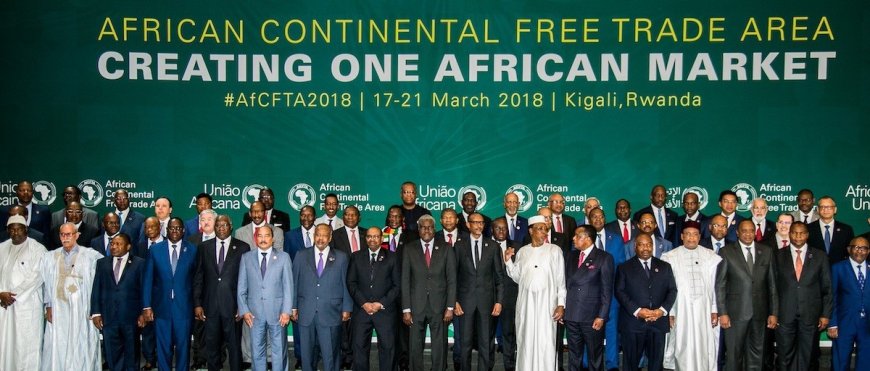
One of the AU’s most significant initiatives, the African Continental Free Trade Area (AfCFTA), was expected to boost intra-African trade and industrial growth. However, implementation delays including slow customs harmonization, infrastructure gaps, and regulatory inconsistencies—have limited its full impact. Businesses across the continent continue to face barriers such as high transport costs, border delays, and inconsistent policies between member states.

Security Response Often Comes Late
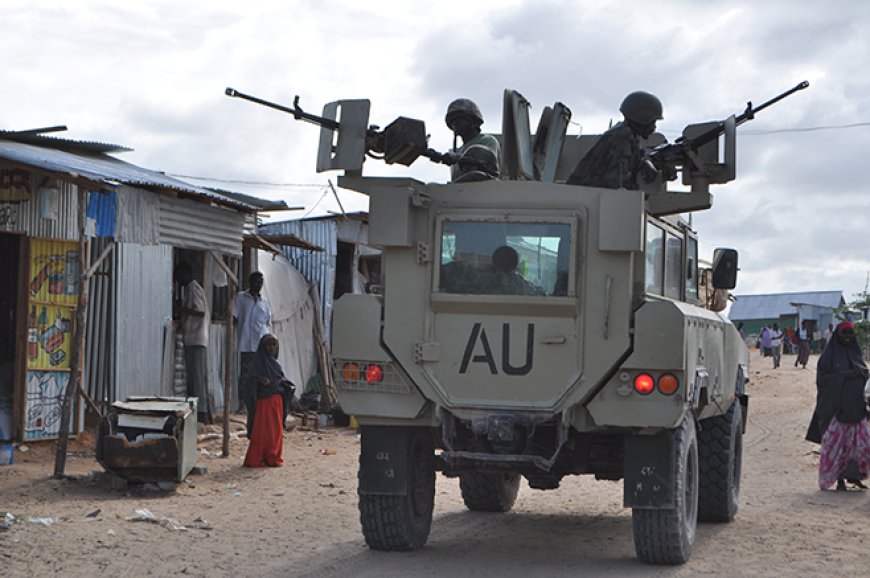
In conflict zones, critics argue that the AU has sometimes reacted too slowly to emerging crises. Regions such as the eastern Democratic Republic of the Congo, the Sahel, and parts of the Horn of Africa continue to experience instability.

While the AU has deployed peacekeeping missions and diplomatic efforts, delays in mobilization and coordination have reduced the effectiveness of these interventions. Analysts say faster response mechanisms and stronger collaboration with regional bodies could improve outcomes.

Infrastructure and Funding Bottlenecks

Africa’s infrastructure gap remains one of the biggest constraints to development. Although the AU has endorsed large-scale projects under the Programme for Infrastructure Development in Africa (PIDA), many remain underfunded or stalled.

Dependence on external financing, coupled with slow approval processes, has delayed the construction of roads, railways, and energy networks essential for economic growth.

Public Health Lessons After COVID-19
The COVID-19 pandemic exposed weaknesses in rapid coordination across the continent. While the AU eventually played a key role in vaccine procurement and distribution, early delays affected response times in several countries, Health experts argue that stronger regional systems and quicker decision-making will be critical for future emergencies.

Why the Delays Persist

Several structural factors contribute to AU delays:

  • Consensus-based decision-making, which can slow urgent action
  • Limited financial independence, with reliance on external donors
  • Diverse political priorities among member states
  • Institutional bureaucracy affecting speed of execution

While these challenges are not unique to the AU, their impact is magnified given the scale and urgency of Africa’s development needs.

There is growing pressure for reform within the AU system. Policy experts and civil society groups are calling for:

  • Faster implementation mechanisms
  • Increased domestic funding from member states
  • Greater accountability and monitoring of projects
  • Stronger partnerships with private sector stakeholders

Some leaders have also proposed streamlining decision-making processes to allow quicker responses during crises.

Despite the criticisms, many observers acknowledge that the AU has made important strides in promoting unity, diplomacy, and continental identity.

However, as Africa’s population grows and global competition intensifies, the cost of delays is becoming harder to ignore.

The African Union stands at a critical crossroads. Its vision for a united and prosperous continent remains widely supported, but the pace of implementation will determine whether that vision becomes reality. Accelerating decision-making and execution may be the key to unlocking Africa’s full development potential in the years ahead.

African Union Struggles with Implementation as Development Goals Stall

Apr 1, 2026 - 17:42
 0
African Union Struggles with Implementation as Development Goals Stall

Delays in decision-making and implementation within the African Union (AU) are increasingly raising concerns among analysts, policymakers, and citizens, as Africa faces mounting economic, security, and development challenges.


While the AU remains a central pillar of continental cooperation, critics argue that slow responses to urgent issues are hindering progress across key sectors from infrastructure and trade to peacekeeping and public health.

The AU’s long-term blueprint, Agenda 2063, outlines an ambitious vision for a prosperous and integrated Africa. However, progress toward these goals has been uneven.

Experts point to delayed project rollouts, bureaucratic inefficiencies, and limited funding as major obstacles. Many flagship initiatives—particularly those requiring cross-border coordination have struggled to move from planning to execution.

Trade Integration Facing Setbacks

One of the AU’s most significant initiatives, the African Continental Free Trade Area (AfCFTA), was expected to boost intra-African trade and industrial growth. However, implementation delays including slow customs harmonization, infrastructure gaps, and regulatory inconsistencies—have limited its full impact. Businesses across the continent continue to face barriers such as high transport costs, border delays, and inconsistent policies between member states.

Security Response Often Comes Late

In conflict zones, critics argue that the AU has sometimes reacted too slowly to emerging crises. Regions such as the eastern Democratic Republic of the Congo, the Sahel, and parts of the Horn of Africa continue to experience instability.

While the AU has deployed peacekeeping missions and diplomatic efforts, delays in mobilization and coordination have reduced the effectiveness of these interventions. Analysts say faster response mechanisms and stronger collaboration with regional bodies could improve outcomes.

Infrastructure and Funding Bottlenecks

Africa’s infrastructure gap remains one of the biggest constraints to development. Although the AU has endorsed large-scale projects under the Programme for Infrastructure Development in Africa (PIDA), many remain underfunded or stalled.

Dependence on external financing, coupled with slow approval processes, has delayed the construction of roads, railways, and energy networks essential for economic growth.

Public Health Lessons After COVID-19

The COVID-19 pandemic exposed weaknesses in rapid coordination across the continent. While the AU eventually played a key role in vaccine procurement and distribution, early delays affected response times in several countries, Health experts argue that stronger regional systems and quicker decision-making will be critical for future emergencies.

Why the Delays Persist

Several structural factors contribute to AU delays:

  • Consensus-based decision-making, which can slow urgent action
  • Limited financial independence, with reliance on external donors
  • Diverse political priorities among member states
  • Institutional bureaucracy affecting speed of execution

While these challenges are not unique to the AU, their impact is magnified given the scale and urgency of Africa’s development needs.

There is growing pressure for reform within the AU system. Policy experts and civil society groups are calling for:

  • Faster implementation mechanisms
  • Increased domestic funding from member states
  • Greater accountability and monitoring of projects
  • Stronger partnerships with private sector stakeholders

Some leaders have also proposed streamlining decision-making processes to allow quicker responses during crises.

Despite the criticisms, many observers acknowledge that the AU has made important strides in promoting unity, diplomacy, and continental identity.

However, as Africa’s population grows and global competition intensifies, the cost of delays is becoming harder to ignore.

The African Union stands at a critical crossroads. Its vision for a united and prosperous continent remains widely supported, but the pace of implementation will determine whether that vision becomes reality. Accelerating decision-making and execution may be the key to unlocking Africa’s full development potential in the years ahead.