

Explosions in Burundi: Latest Updates on Bujumbura's Military Depot Blasts and Aftermath
A series of powerful explosions in Burundi’s commercial capital, Bujumbura, has left several people dead and many residents shaken, raising fresh concerns about safety and infrastructure in the country.
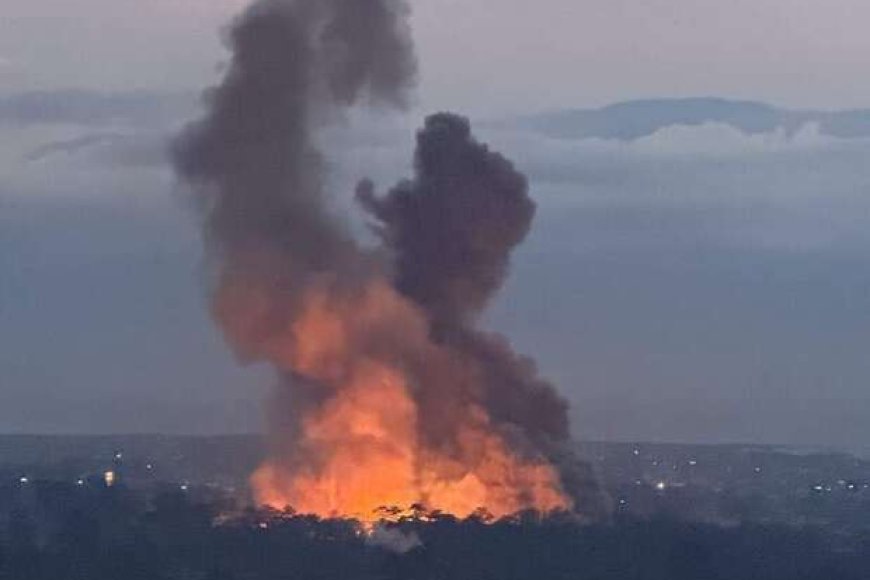
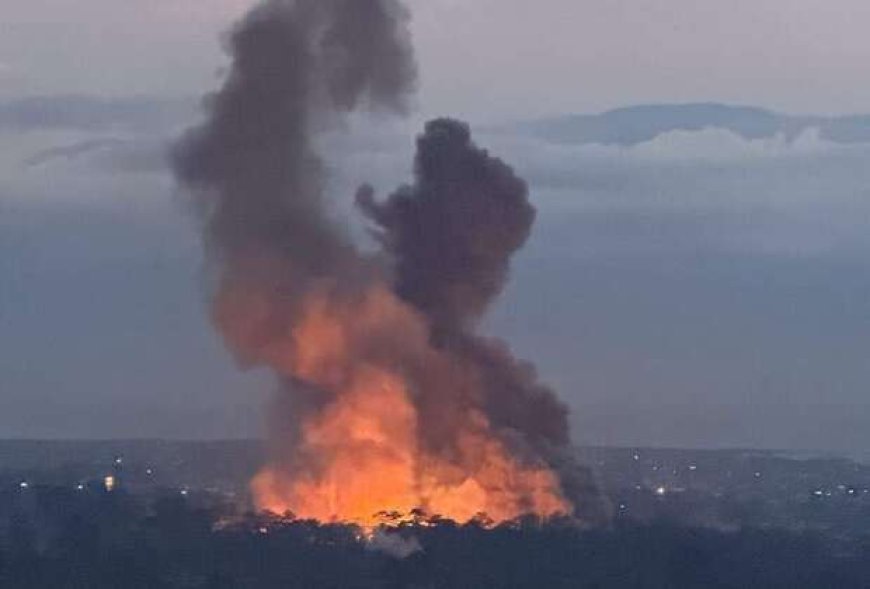
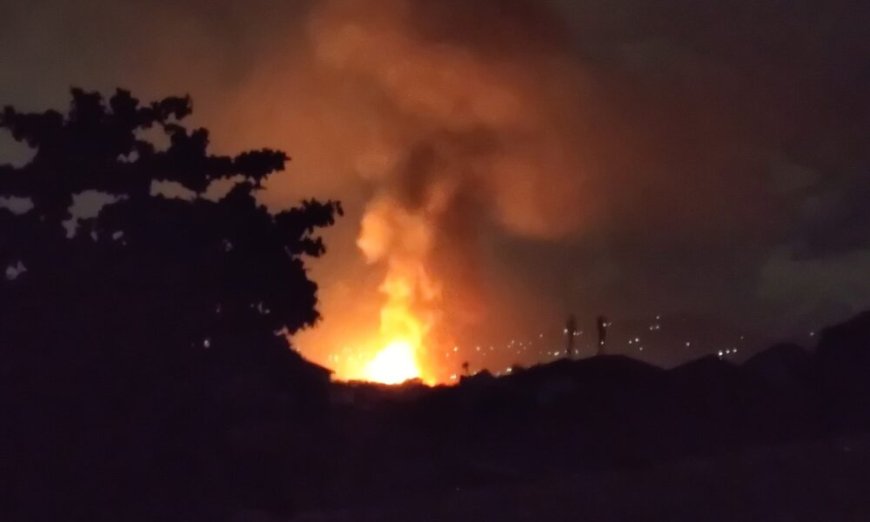
Late on the night of March 31, 2026, multiple explosions erupted near a military facility in the Musaga area of Bujumbura. The blasts, which lasted several hours, sent shockwaves across nearby neighborhoods, forcing residents to flee or seek shelter indoors.
According to official statements from the Burundian army, the incident was caused by a fire triggered by an electrical fault in a military ammunition depot. The fire led to a chain reaction of detonations as stored ammunition exploded. Residents described chaotic scenes, with projectiles flying across residential areas and explosions continuing late into the night.
Initial reports indicate that at least four people were killed, although authorities have not yet released a confirmed official death toll. Witnesses reported that some victims were struck by flying debris or explosives while attempting to escape the area.
Homes and buildings in surrounding neighborhoods such as Gasekebuye and Kanyosha were affected, with some families temporarily displaced.
Emergency response efforts continued into the following day, as authorities worked to secure the area and assist affected residents.
Government Response
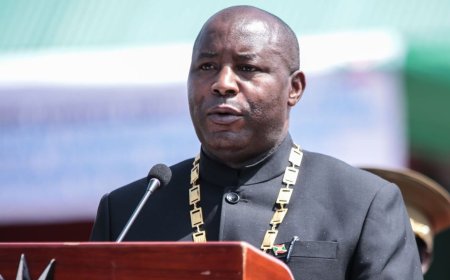
President Évariste Ndayishimiye expressed condolences to victims and their families, while military officials emphasized that the incident was accidental and not linked to any external attack.
Authorities also urged citizens to remain calm, amid rumors and speculation that initially circulated during the explosions.
By the morning of April 1, officials stated that the situation had stabilized and that security forces had regained control of the affected zone.
Broader Context: A Country Under Pressure
The incident comes at a time when Burundi is already facing multiple challenges, including:
- Regional insecurity linked to ongoing conflict in eastern Democratic Republic of Congo
- Refugee influxes, with tens of thousands crossing into Burundi in recent months
- Economic strain, including inflation and fuel shortages
These pressures have stretched public resources and heightened concerns about national resilience and crisis preparedness.
Additionally, tensions in the wider Great Lakes region, particularly involving Rwanda and armed groups in eastern Congo continue to create an uncertain security environment.
Public Reaction
Many residents in Bujumbura described the incident as one of the most frightening nights in recent memory. Some reported hours of continuous explosions, while others spent the night hiding in their homes or fleeing to safer areas.
Community centers and religious institutions temporarily sheltered displaced children and families as authorities worked to reunite them.
What Comes Next
While the immediate danger appears to have passed, the explosions have reignited debate about:
- The safety of military installations near civilian areas
- Emergency preparedness and response systems
- Infrastructure risks, including electrical faults in sensitive locations
Investigations are expected to continue, with authorities likely to review safety protocols to prevent similar incidents in the future.
The Bujumbura explosions serve as a stark reminder of how quickly accidents can escalate into national emergencies. As Burundi navigates both internal challenges and regional instability, ensuring public safety and strengthening infrastructure will remain critical priorities in the months ahead.
Tags: