

Can Évariste Ndayishimiye Lead the African Union? Analysts Raise Serious Doubts Over His Leadership Capacity

Can Évariste Ndayishimiye Lead the African Union? Analysts Raise Serious Doubts Over His Leadership Capacity

Apr 22, 2026 - 12:41
 0

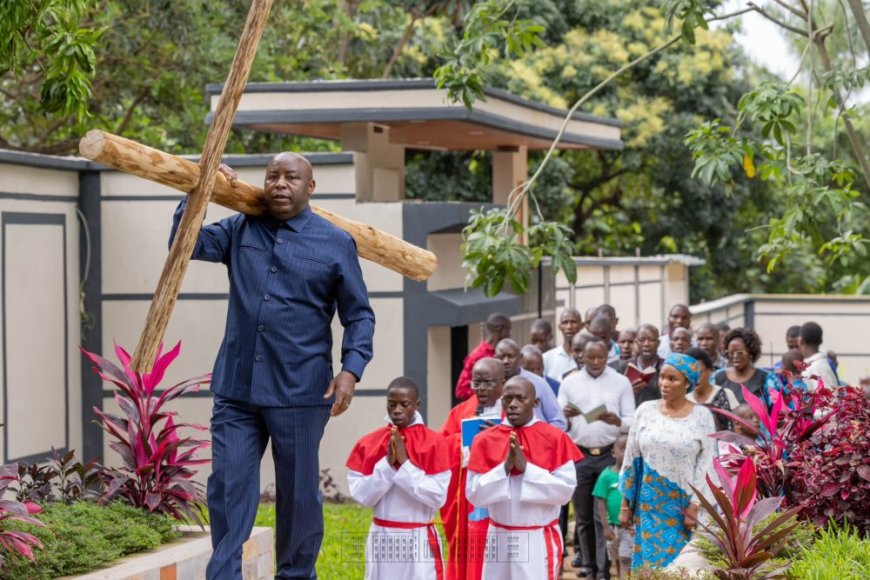
Political analysts are raising serious concerns about Évariste Ndayishimiye and his capacity to lead the African Union. Questions over governance, neutrality, and continental influence are fueling debate about whether he can effectively guide Africa through complex political and security challenges,.


As Evariste Ndayishimiye steps into a more visible leadership role within the African Union, a wave of critical voices from political analysts is casting doubt on whether he can effectively steer the continent’s most important multilateral body through a period of deepening instability.

At the heart of the criticism is the issue of credibility. Analysts argue that leading the African Union requires not just diplomatic presence, but a strong and consistent record on governance. Burundi’s internal political climate continues to draw scrutiny, with observers pointing to unresolved concerns around political freedoms and institutional independence.

“A leader of the African Union must embody the standards the institution claims to defend,” said political analyst Dr. Samuel Nkurunziza. “If there are lingering questions about governance at home, it becomes difficult to convincingly promote those same principles across the continent.”

Others emphasize the challenge of neutrality, an essential quality for any AU chairperson tasked with mediating conflicts. Burundi’s involvement in regional security matters, particularly in the Great Lakes region, has raised concerns about potential bias.

“You cannot be both a stakeholder in a conflict and an impartial mediator,” noted Nairobi-based analyst Grace Atieno. “That contradiction risks weakening the African Union’s credibility at a time when trust in its interventions is already fragile.”

Beyond governance and neutrality, critics are also questioning Ndayishimiye’s strategic weight. The African Union is navigating a complex landscape marked by military coups, shifting alliances, and declining influence of traditional global partners. In this context, some analysts argue that leadership requires not only political skill but also the backing of a strong economic and diplomatic base.

“Leadership at that level is not just about intention, it’s about influence,” said West African political commentator Idrissa Koné. “Countries with limited economic and geopolitical leverage often struggle to drive continental agendas or enforce consensus.”

Internal dynamics within the African Union further complicate the situation. Diplomats have increasingly warned of fragmentation among member states, with diverging visions on governance and sovereignty. Critics argue that Ndayishimiye has yet to demonstrate the kind of coalition-building ability needed to bridge these divides.

“The AU doesn’t need a symbolic figurehead right now,” said Addis Ababa-based researcher Hana Tesfaye. “It needs a unifier—someone capable of navigating ideological splits and bringing member states back to a shared framework.”

Even so, some analysts acknowledge that Ndayishimiye has attempted to reposition Burundi internationally, adopting a more open diplomatic tone compared to previous years. Supporters suggest this could signal a willingness to engage constructively at the continental level, but for critics, the gap between tone and transformation remains a central concern.

“Rhetoric alone is not enough,” Dr. Nkurunziza added. “What matters is whether that rhetoric is backed by tangible reforms and consistent leadership.”

As debates continue, the scrutiny surrounding Évariste Ndayishimiye reflects a broader question facing the African Union itself: what kind of leadership is needed to confront Africa’s evolving challenges and who is truly equipped to provide it.

In a moment defined by political uncertainty and institutional strain, the stakes for that answer have rarely been higher.
Gabriel IMANIRIHO Professional Journalist dedicated to fact-checking

Can Évariste Ndayishimiye Lead the African Union? Analysts Raise Serious Doubts Over His Leadership Capacity

Apr 22, 2026 - 12:41
Apr 22, 2026 - 12:55
 0
Can Évariste Ndayishimiye Lead the African Union? Analysts Raise Serious Doubts Over His Leadership Capacity

Political analysts are raising serious concerns about Évariste Ndayishimiye and his capacity to lead the African Union. Questions over governance, neutrality, and continental influence are fueling debate about whether he can effectively guide Africa through complex political and security challenges,.


As Evariste Ndayishimiye steps into a more visible leadership role within the African Union, a wave of critical voices from political analysts is casting doubt on whether he can effectively steer the continent’s most important multilateral body through a period of deepening instability.

At the heart of the criticism is the issue of credibility. Analysts argue that leading the African Union requires not just diplomatic presence, but a strong and consistent record on governance. Burundi’s internal political climate continues to draw scrutiny, with observers pointing to unresolved concerns around political freedoms and institutional independence.

“A leader of the African Union must embody the standards the institution claims to defend,” said political analyst Dr. Samuel Nkurunziza. “If there are lingering questions about governance at home, it becomes difficult to convincingly promote those same principles across the continent.”

Others emphasize the challenge of neutrality, an essential quality for any AU chairperson tasked with mediating conflicts. Burundi’s involvement in regional security matters, particularly in the Great Lakes region, has raised concerns about potential bias.

“You cannot be both a stakeholder in a conflict and an impartial mediator,” noted Nairobi-based analyst Grace Atieno. “That contradiction risks weakening the African Union’s credibility at a time when trust in its interventions is already fragile.”

Beyond governance and neutrality, critics are also questioning Ndayishimiye’s strategic weight. The African Union is navigating a complex landscape marked by military coups, shifting alliances, and declining influence of traditional global partners. In this context, some analysts argue that leadership requires not only political skill but also the backing of a strong economic and diplomatic base.

“Leadership at that level is not just about intention, it’s about influence,” said West African political commentator Idrissa Koné. “Countries with limited economic and geopolitical leverage often struggle to drive continental agendas or enforce consensus.”

Internal dynamics within the African Union further complicate the situation. Diplomats have increasingly warned of fragmentation among member states, with diverging visions on governance and sovereignty. Critics argue that Ndayishimiye has yet to demonstrate the kind of coalition-building ability needed to bridge these divides.

“The AU doesn’t need a symbolic figurehead right now,” said Addis Ababa-based researcher Hana Tesfaye. “It needs a unifier—someone capable of navigating ideological splits and bringing member states back to a shared framework.”

Even so, some analysts acknowledge that Ndayishimiye has attempted to reposition Burundi internationally, adopting a more open diplomatic tone compared to previous years. Supporters suggest this could signal a willingness to engage constructively at the continental level, but for critics, the gap between tone and transformation remains a central concern.

“Rhetoric alone is not enough,” Dr. Nkurunziza added. “What matters is whether that rhetoric is backed by tangible reforms and consistent leadership.”

As debates continue, the scrutiny surrounding Évariste Ndayishimiye reflects a broader question facing the African Union itself: what kind of leadership is needed to confront Africa’s evolving challenges and who is truly equipped to provide it.

In a moment defined by political uncertainty and institutional strain, the stakes for that answer have rarely been higher.