

US-Iran War: Iran Tightens Control of Strait of Hormuz as War Uncertainty Grows

Iran’s military said Saturday it has reimposed “strict control” over the Strait of Hormuz, warning the vital shipping route will remain restricted unless the United States lifts its blockade on Iranian ports, raising fresh uncertainty about global energy supplies.
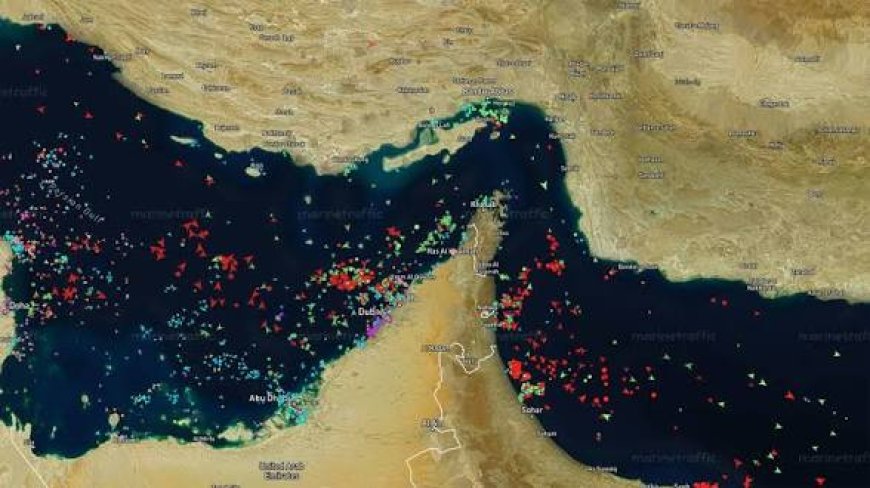
The announcement came just hours after earlier statements from Iranian officials and U.S. President Donald Trump had suggested the strait was reopening, briefly boosting hopes for progress toward a cease-fire.
Confusion deepened as Iran insisted ships still need its permission to pass, while the U.S. confirmed its naval blockade would continue until a broader agreement is reached, drawing sharp reactions from Tehran.
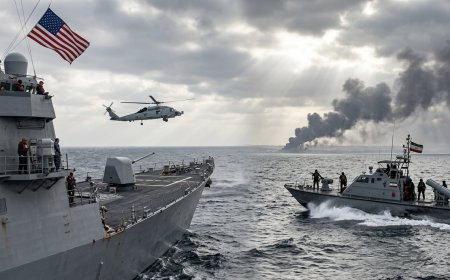
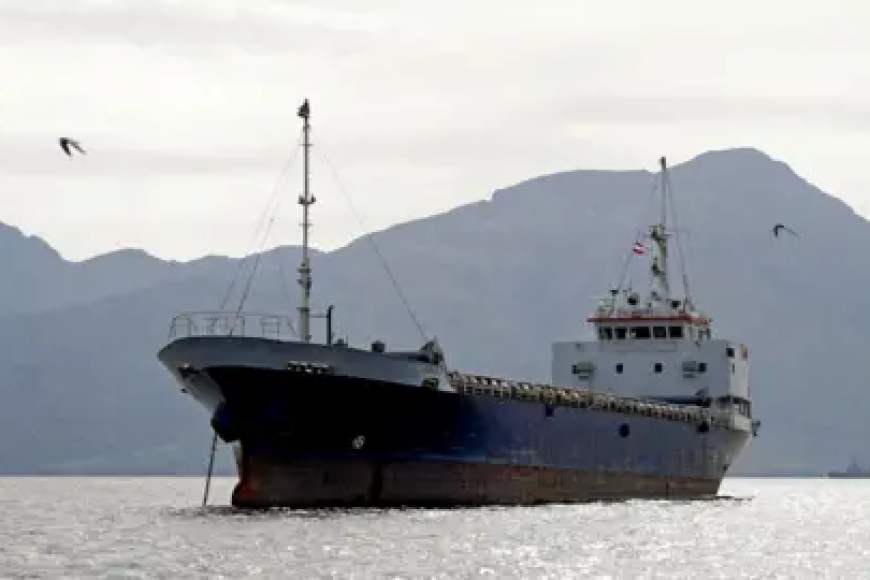
Reports from maritime monitors indicated Iranian Revolutionary Guards forces fired at a tanker and forced other vessels to turn back, highlighting ongoing risks for shipping in the narrow waterway.
Meanwhile, US and Iranian delegations are set to hold negotiations Monday on a deal potentially ending the war, Iranian sources told CNN. The US hasn’t confirmed talks are scheduled.
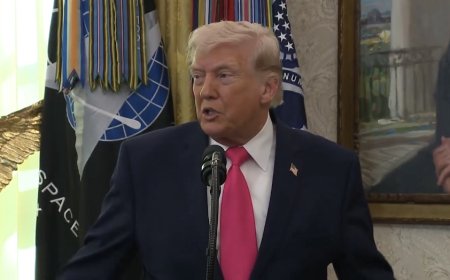
President Donald Trump says he may not extend the ceasefire with Iran if negotiations fail.
The Strait of Hormuz is one of the world’s most important shipping routes because a large share of global oil and gas passes through it every day. It connects the Persian Gulf to the open ocean, allowing energy exports from countries like Saudi Arabia, Iraq, and the UAE to reach international markets.
A blockade of the Strait of Hormuz quickly disrupts global energy supply, causing oil and gas shortages, rising fuel prices, and economic pressure on countries that depend on imports, due to 20% of the world’s oil supply passes through the Strait of Hormuz each day.