

USA vs. Iran 2026: Military Victory or Strategic Stalemate?
As of April 2026, the question of who "won" the confrontation between the United States and Iran depends entirely on whether you are looking at tactical military objectives or long-term strategic stability. Following the initiation of Operation Epic Fury on February 28, 2026, the conflict has entered a complex phase where traditional definitions of victory are difficult to apply.
In the aftermath of Operation Epic Fury, determining a "winner" requires looking beyond the battlefield. While the U.S. and Israel have demonstrated overwhelming military superiority, the broader geopolitical outcome remains murky.
Allied Tactical Dominance
Through precision strikes, the American-led coalition successfully crippled Iran’s core military pillars. As Secretary of War Pete Hegseth noted in a March 2026 briefing, the campaign has been "laser-focused and decisive," reporting that Iranian ballistic missile and drone capabilities were "down 90%" within the first three weeks. Key achievements include:
• Nuclear Setbacks: Heavy damage to enrichment facilities like Natanz has stalled Tehran’s nuclear ambitions for the foreseeable future.
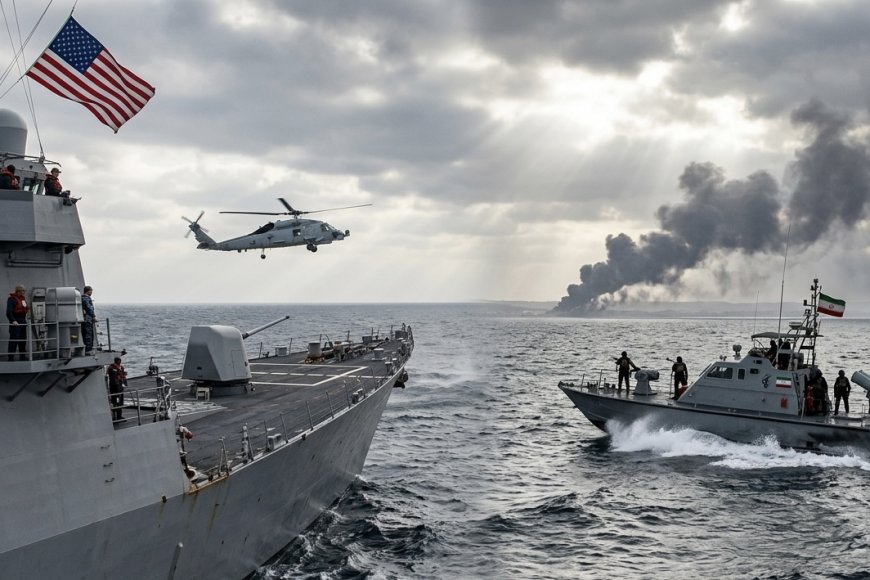
• Maritime Control: Much of the traditional Iranian navy was decimated.
• Command Breakdown: The decapitation strike on Supreme Leader Ali Khamenei caused significant initial chaos.
Iran’s Resilient Counter-Strategy
Tehran has avoided total collapse by pivoting to a war of attrition. Nebi Miş, writing for SETA, argues that "Iran’s victory threshold is survival." By leveraging its unique strengths, the regime has maintained pressure through:
• Economic Warfare: Closing the Strait of Hormuz has sent global energy prices soaring.
• Persistent Proxies: Regional allies remain active, launching harassing strikes against U.S. interests.
• Internal Control: Analysts at Brookings observe that despite leadership losses, the regime has "held together," using the external threat to reinforce the coherence of the existing political elite.
If victory is measured by destruction, the U.S. holds the crown. However, UNSW experts suggest that the U.S. is "looking for an off-ramp" because Iran has made the war "everybody’s problem."
As military analyst Mohammad Reza Bahrami puts it, for Iran, this is a "war of survival." Washington achieved a kinetic win, but Tehran may secure a survivalist one. Without a diplomatic resolution, the conflict has simply transitioned from a hot war into a dangerous, high-stakes stalemate.
Tags: