


Unlocking African Parliamentary Independence: From Executive Tool to True Lawmaking Power

Unlocking African Parliamentary Independence: From Executive Tool to True Lawmaking Power

Jul 24, 2026 - 23:36
 0

Discover how structural gaps leave African parliaments under executive control, and the constitutional reforms needed to secure true legislative independence.


Unlocking Parliamentary Independence in Africa: Institutional Gaps and Constitutional Reforms

Across the African continent, democratic consolidation relies on a delicate balance of power. Yet, research and reports from institutions such as the South African Institute of International Affairs (SAIIA) and the African Peer Review Mechanism (APRM) consistently point to a fundamental weakness: parliaments, both national legislatures and the continental Pan-African Parliament (PAP), frequently function as instruments of political elites rather than as independent lawmaking bodies.

Transforming these bodies into true guardians of public interest requires addressing core structural gaps through target constitutional and legal remedies.

The Structural Gaps: How Parliaments Become Political Tools
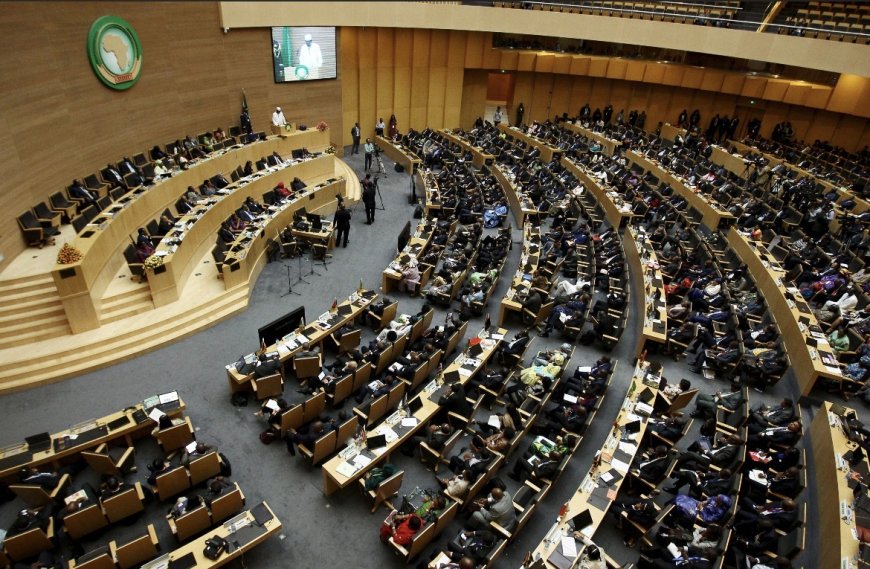
Pan-African legal scholars highlight three main structural vulnerabilities that allow executive branches to capture legislative authority:

1. The Advisory Trap and Soft Mandates

The Pan-African Parliament was envisioned under the 1991 Abuja Treaty as an institution that would evolve into a fully-fledged legislative assembly with binding lawmaking powers. In practice, however, it remains stuck in an advisory role under its inaugural protocol.

Because PAP resolutions and recommendations carry no legal force, national governments treat the chamber as a symbolic talking shop. Ruling elites often utilize continental parliamentary seats to reward party loyalists or build international prestige, knowing the assembly cannot pass binding continental legislation or enforce executive accountability.

2. Financial Stragulation and Executive Discretion

Independence requires fiscal autonomy. Across many African nations, as well as within the African Union's institutional framework, legislative operating budgets remain tied to executive approval.

When parliament relies on the ministry of finance or executive-controlled organs for its daily operational funds, its oversight capacity is severely crippled. Committee investigations, public hearings, and policy research require independent resources; without statutory funding allocations, executive bodies can easily starve critical parliamentary committees of the funds needed to conduct rigorous oversight.

3. Party Discipline vs. Constitutional Immunity

While constitutional provisions nominally guarantee parliamentary independence, political realities often override them. Article 6 of the PAP Protocol explicitly guarantees that parliamentarians:

"Shall deliberate and vote in their personal and independent capacity."

Furthermore, Article 4(3) mandates that national delegations reflect the diverse political opinions within their respective national parliaments.

In practice, however, political parties often bypass these principles through recall mechanisms, patronage networks, and strict party whipping. Lawmakers who vote against executive-backed measures risk losing their party endorsement or being recalled by national assemblies controlled by ruling coalitions, directly undermining their representative duties.

Constitutional Solutions for Autonomy

To close these gaps and shift African legislatures from executive tools into autonomous lawmaking bodies, Pan-African experts advocate for concrete legal reform across three primary areas:

Transitioning to Model Law and Direct Authority

For the PAP, ratifying the Malabo Protocol (which grants the assembly power to draft Model Laws for adoption by AU member states) represents a necessary step toward legislative authority. At the national level, constitutions must explicitly limit executive decree powers, ensuring that primary policy-making remains within the exclusive jurisdiction of the legislature.

Establishing Statutory Budget Guarantees

Constitutions must guarantee legislative budgets as a fixed percentage of the consolidated national fund or AU regular budget. By placing parliamentary funding under statutory protection, managed independently by an autonomous Parliamentary Service Commission, legislatures can shield their operations from executive budget cuts or political retaliation.

Safeguarding Member Tenure and Free Speech

Legal frameworks must strengthen parliamentary privileges and immune rules. Article 6 protections must be codified directly into national law, preventing political parties or national executives from arbitrarily recalling or punishing MPs for their voting records or committee work.

Building resilient African institutions requires shifting away from executive-dominated governance models. By enacting constitutional guarantees that secure direct legislative powers, independent funding, and protected tenure, African parliaments can transition from political instruments into genuine legislative authorities capable of upholding the rule of law and serving the public interest.

Gabriel IMANIRIHO Professional Journalist dedicated to fact-checking

Unlocking African Parliamentary Independence: From Executive Tool to True Lawmaking Power

Jul 24, 2026 - 23:36
Jul 25, 2026 - 00:00
 0
Unlocking African Parliamentary Independence: From Executive Tool to True Lawmaking Power

Discover how structural gaps leave African parliaments under executive control, and the constitutional reforms needed to secure true legislative independence.


Unlocking Parliamentary Independence in Africa: Institutional Gaps and Constitutional Reforms

Across the African continent, democratic consolidation relies on a delicate balance of power. Yet, research and reports from institutions such as the South African Institute of International Affairs (SAIIA) and the African Peer Review Mechanism (APRM) consistently point to a fundamental weakness: parliaments, both national legislatures and the continental Pan-African Parliament (PAP), frequently function as instruments of political elites rather than as independent lawmaking bodies.

Transforming these bodies into true guardians of public interest requires addressing core structural gaps through target constitutional and legal remedies.

The Structural Gaps: How Parliaments Become Political Tools

Pan-African legal scholars highlight three main structural vulnerabilities that allow executive branches to capture legislative authority:

1. The Advisory Trap and Soft Mandates

The Pan-African Parliament was envisioned under the 1991 Abuja Treaty as an institution that would evolve into a fully-fledged legislative assembly with binding lawmaking powers. In practice, however, it remains stuck in an advisory role under its inaugural protocol.

Because PAP resolutions and recommendations carry no legal force, national governments treat the chamber as a symbolic talking shop. Ruling elites often utilize continental parliamentary seats to reward party loyalists or build international prestige, knowing the assembly cannot pass binding continental legislation or enforce executive accountability.

2. Financial Stragulation and Executive Discretion

Independence requires fiscal autonomy. Across many African nations, as well as within the African Union's institutional framework, legislative operating budgets remain tied to executive approval.

When parliament relies on the ministry of finance or executive-controlled organs for its daily operational funds, its oversight capacity is severely crippled. Committee investigations, public hearings, and policy research require independent resources; without statutory funding allocations, executive bodies can easily starve critical parliamentary committees of the funds needed to conduct rigorous oversight.

3. Party Discipline vs. Constitutional Immunity

While constitutional provisions nominally guarantee parliamentary independence, political realities often override them. Article 6 of the PAP Protocol explicitly guarantees that parliamentarians:

"Shall deliberate and vote in their personal and independent capacity."

Furthermore, Article 4(3) mandates that national delegations reflect the diverse political opinions within their respective national parliaments.

In practice, however, political parties often bypass these principles through recall mechanisms, patronage networks, and strict party whipping. Lawmakers who vote against executive-backed measures risk losing their party endorsement or being recalled by national assemblies controlled by ruling coalitions, directly undermining their representative duties.

Constitutional Solutions for Autonomy

To close these gaps and shift African legislatures from executive tools into autonomous lawmaking bodies, Pan-African experts advocate for concrete legal reform across three primary areas:

Transitioning to Model Law and Direct Authority

For the PAP, ratifying the Malabo Protocol (which grants the assembly power to draft Model Laws for adoption by AU member states) represents a necessary step toward legislative authority. At the national level, constitutions must explicitly limit executive decree powers, ensuring that primary policy-making remains within the exclusive jurisdiction of the legislature.

Establishing Statutory Budget Guarantees

Constitutions must guarantee legislative budgets as a fixed percentage of the consolidated national fund or AU regular budget. By placing parliamentary funding under statutory protection, managed independently by an autonomous Parliamentary Service Commission, legislatures can shield their operations from executive budget cuts or political retaliation.

Safeguarding Member Tenure and Free Speech

Legal frameworks must strengthen parliamentary privileges and immune rules. Article 6 protections must be codified directly into national law, preventing political parties or national executives from arbitrarily recalling or punishing MPs for their voting records or committee work.

Building resilient African institutions requires shifting away from executive-dominated governance models. By enacting constitutional guarantees that secure direct legislative powers, independent funding, and protected tenure, African parliaments can transition from political instruments into genuine legislative authorities capable of upholding the rule of law and serving the public interest.