

Rwandan Senators Urge Swift Solutions as Citizens Highlight Rural Electricity Gaps
During a nationwide oversight tour, Rwandan Senators heard citizens' concerns regarding off-grid solar repairs, low voltage, and missing main grid connections.
Bridging the Power Gap: Senators Hear Citizens’ Calls for Reliable, Sustainable Electricity Across Rwanda
Across the country, citizens are raising their voices to highlight ongoing challenges in electricity access, urging swift interventions to ensure every home and business receives dependable power.
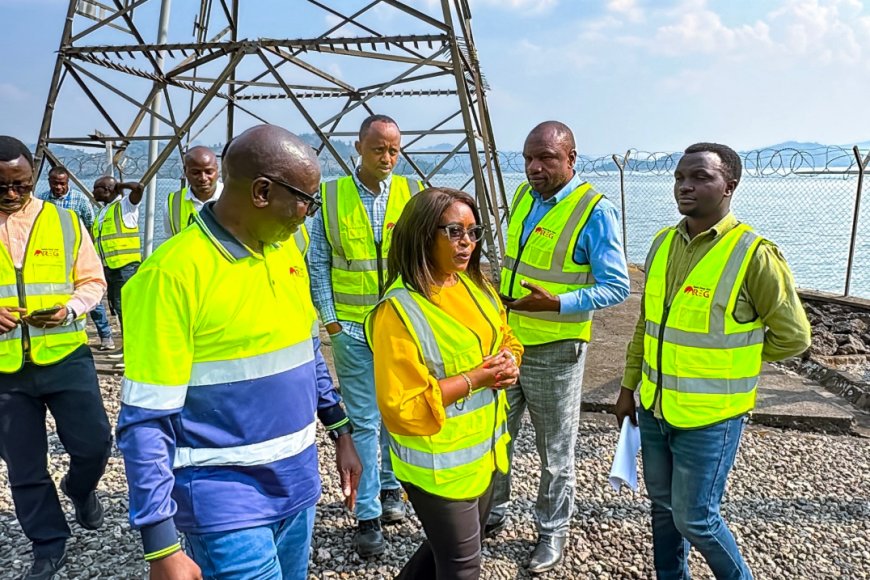
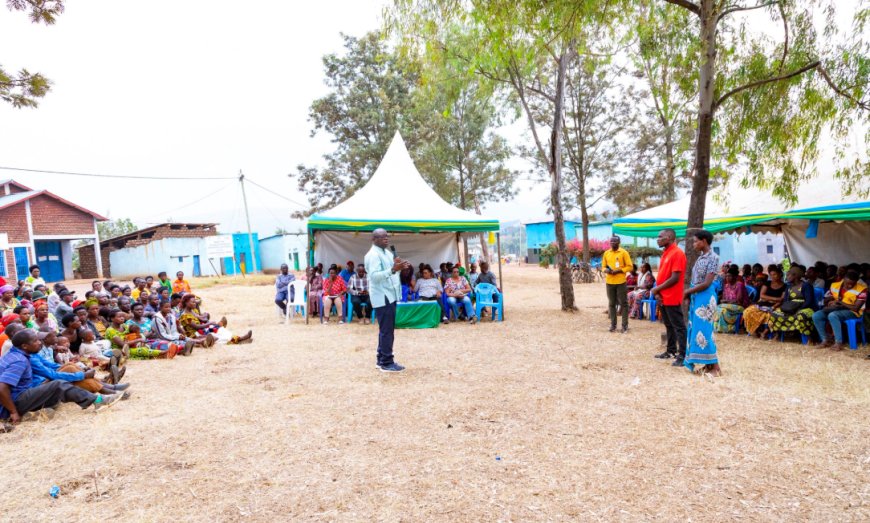
During an ongoing oversight mission conducted by members of the Rwandan Senate to inspect national electrification progress, residents voiced crucial concerns. Key among them are households still awaiting connection to the national grid and frequent breakdowns of off-grid solar equipment often left without fast local repair options.
"Meeting directly with the citizens is essential. It allows us to truly gauge the quality of electricity services being delivered to the public and address the gaps where they exist." Senator Fulgence Nsengiyumva
Evaluating Infrastructure Against National Growth
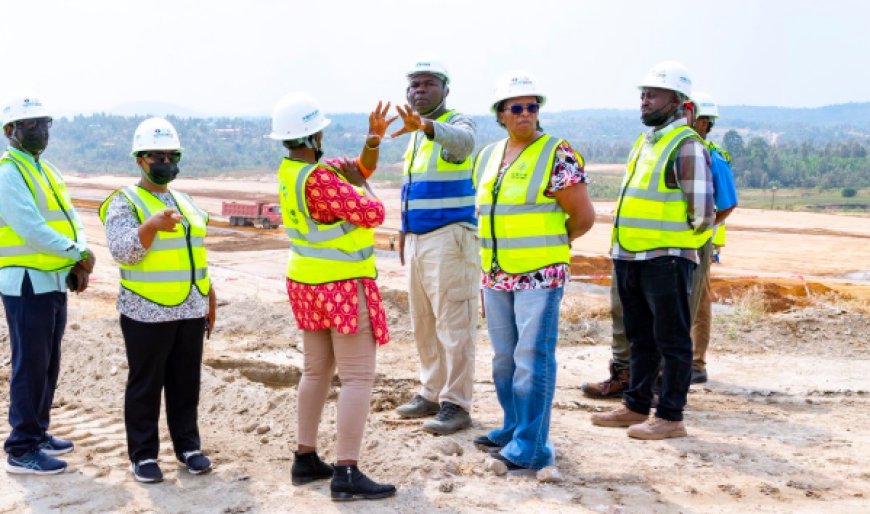
As part of their field visits across various districts, Senators are evaluating how current energy master plans align with:
-
Rapid population growth
-
Changing settlement patterns (Imiturire)
-
New industrial and commercial projects requiring high energy capacity
District local government leaders remain optimistic, noting that scheduled national energy production projects will significantly boost capacity and comfortably satisfy future demand.
Business Impact: The Need for Stable Power
While progress is visible, local entrepreneurs emphasize that power quality is just as important as initial access.
In the Nyagatare District, Emmanuel Nzabonimpa, a businessman from Tabagwe, expressed gratitude for the electricity already extended to his area, noting how it has empowered local economic development. However, he cautioned that low voltage and unstable power supply continue to hamper business operations.
Citizens and local leaders alike are calling on relevant government bodies and energy providers to resolve these bottlenecks promptly.
Closing these infrastructure gaps will be vital to ensuring that every Rwandan, whether in urban centers or remote rural communities, can benefit from reliable, high-quality, and sustainable energy services.
Tags: