


DID YOU KNOW: The Science of Hugs: Surprising Benefits and Hidden Risks Explained

DID YOU KNOW: The Science of Hugs: Surprising Benefits and Hidden Risks Explained

Jun 25, 2026 - 15:33
 0

Discover the dual nature of a hug. Scientists explain how embracing boosts happiness while forced physical contact can trigger psychological stress.


Did You Know? The Double-Edged Science of a Hug

While a warm embrace is celebrated as a universal symbol of comfort, science reveals that hugging has a fascinating dual nature.

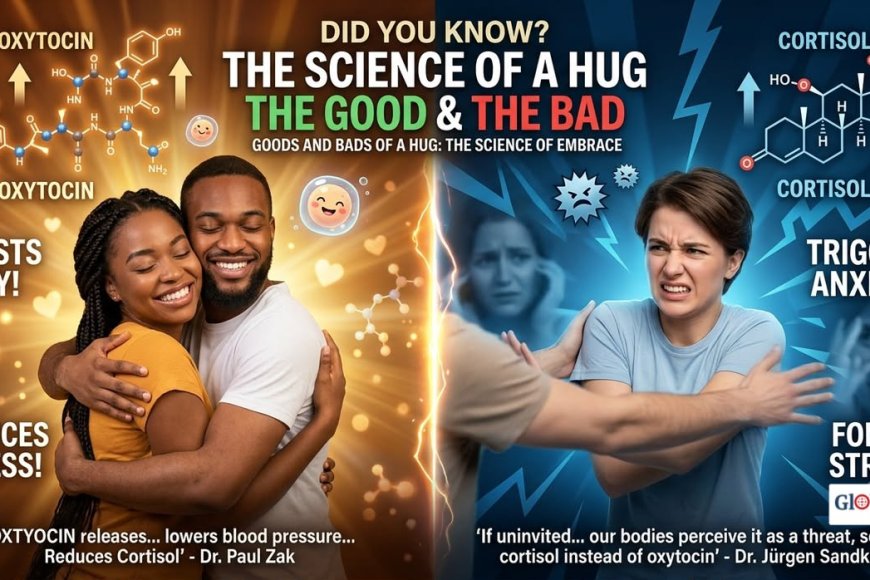
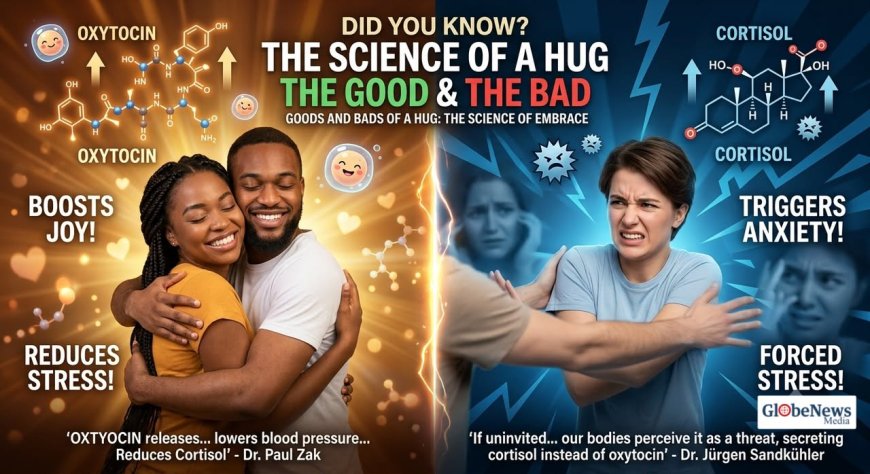
On the positive side, hugging triggers a powerful biochemical shift. "Oxytocin, often called the 'cuddle hormone,' is released during a hug, lowering blood pressure and reducing the stress hormone cortisol," notes neuroscientist Dr. Paul Zak. This natural chemical release fosters trust, eases anxiety, and can even strengthen your immune system.

However, hugs aren't universally beneficial. When physical contact is uninvited or awkward, the physiological response flips completely. Cognitive psychologist Dr. Jürgen Sandkühler explains, "If a hug is unwanted, our bodies perceive it as a threat, secreting cortisol instead of oxytocin." This sudden spike in stress hormones can induce anxiety and discomfort rather than comfort.

Ultimately, the impact of a hug depends entirely on context and consent. A mutual embrace acts as a potent, health-boosting tonic, whereas forced physical closeness creates a state of physiological distress.
Gabriel IMANIRIHO Professional Journalist dedicated to fact-checking

DID YOU KNOW: The Science of Hugs: Surprising Benefits and Hidden Risks Explained

Jun 25, 2026 - 15:33
 0
DID YOU KNOW: The Science of Hugs: Surprising Benefits and Hidden Risks Explained

Discover the dual nature of a hug. Scientists explain how embracing boosts happiness while forced physical contact can trigger psychological stress.


Did You Know? The Double-Edged Science of a Hug

While a warm embrace is celebrated as a universal symbol of comfort, science reveals that hugging has a fascinating dual nature.

On the positive side, hugging triggers a powerful biochemical shift. "Oxytocin, often called the 'cuddle hormone,' is released during a hug, lowering blood pressure and reducing the stress hormone cortisol," notes neuroscientist Dr. Paul Zak. This natural chemical release fosters trust, eases anxiety, and can even strengthen your immune system.

However, hugs aren't universally beneficial. When physical contact is uninvited or awkward, the physiological response flips completely. Cognitive psychologist Dr. Jürgen Sandkühler explains, "If a hug is unwanted, our bodies perceive it as a threat, secreting cortisol instead of oxytocin." This sudden spike in stress hormones can induce anxiety and discomfort rather than comfort.

Ultimately, the impact of a hug depends entirely on context and consent. A mutual embrace acts as a potent, health-boosting tonic, whereas forced physical closeness creates a state of physiological distress.