

Did You Know? The Truth About Schizophrenia

Did You Know? The Truth About Schizophrenia

May 25, 2026 - 19:22
 0

Schizophrenia affects approximately 24 million people worldwide, or about 1 in 300 people, yet it remains one of the most misunderstood and heavily stigmatized mental health conditions. According to the World Health Organization (WHO), this lack of understanding often leads to social exclusion and impacts people's access to timely care.


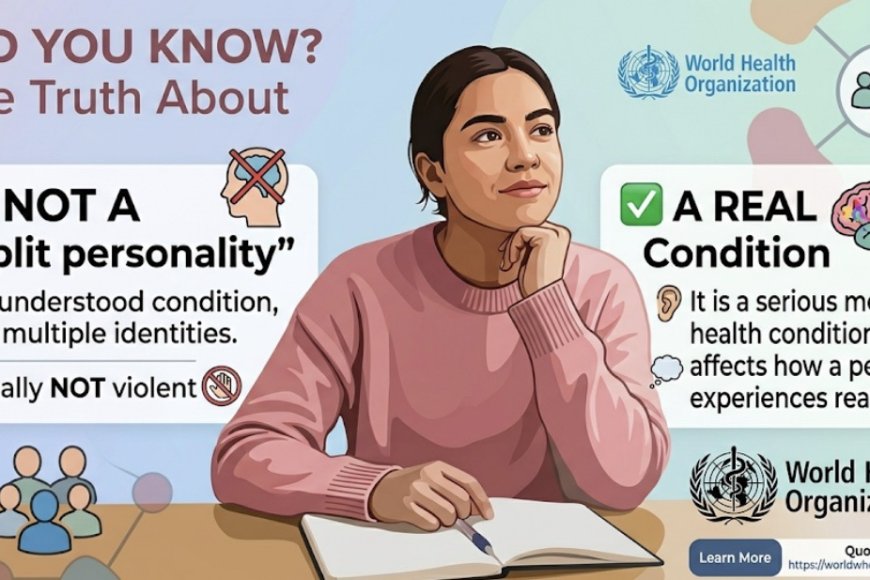
Schizophrenia affects 24 million people worldwide, yet it remains deeply misunderstood. According to the WHO, it is not a "split personality," nor are individuals usually violent. Instead, it is a serious condition altering how reality is experienced.

Common Symptoms:

 Hallucinations (e.g., hearing voices)

 Delusions (untrue beliefs)

 Disorganized thinking & social withdrawal

Recovery is Possible:

Often beginning in late adolescence, early intervention is vital. With medication, therapy, and community support, many live fulfilling lives—in fact, at least 1 in 3 fully recover.

Listen with empathy, not judgment. Everyone deserves dignity and care.

Gabriel IMANIRIHO Professional Journalist dedicated to fact-checking

Did You Know? The Truth About Schizophrenia

May 25, 2026 - 19:22
 0
Did You Know? The Truth About Schizophrenia

Schizophrenia affects approximately 24 million people worldwide, or about 1 in 300 people, yet it remains one of the most misunderstood and heavily stigmatized mental health conditions. According to the World Health Organization (WHO), this lack of understanding often leads to social exclusion and impacts people's access to timely care.


Schizophrenia affects 24 million people worldwide, yet it remains deeply misunderstood. According to the WHO, it is not a "split personality," nor are individuals usually violent. Instead, it is a serious condition altering how reality is experienced.

Common Symptoms:

 Hallucinations (e.g., hearing voices)

 Delusions (untrue beliefs)

 Disorganized thinking & social withdrawal

Recovery is Possible:

Often beginning in late adolescence, early intervention is vital. With medication, therapy, and community support, many live fulfilling lives—in fact, at least 1 in 3 fully recover.

Listen with empathy, not judgment. Everyone deserves dignity and care.