

DID YOU KNOW?: How Telephone Country Codes Are Assigned: Inside the Global System Connecting the World
A country code is a short numerical prefix added before a phone number to identify a specific nation during international calls. These codes make it possible for global telecommunication networks to route calls accurately from one country to another.
The responsibility for assigning these codes lies with the International Telecommunication Union (ITU), a specialized agency of the United Nations founded in 1865. The ITU oversees global communication standards and manages the allocation of country calling codes under its international numbering plan known as E.164.
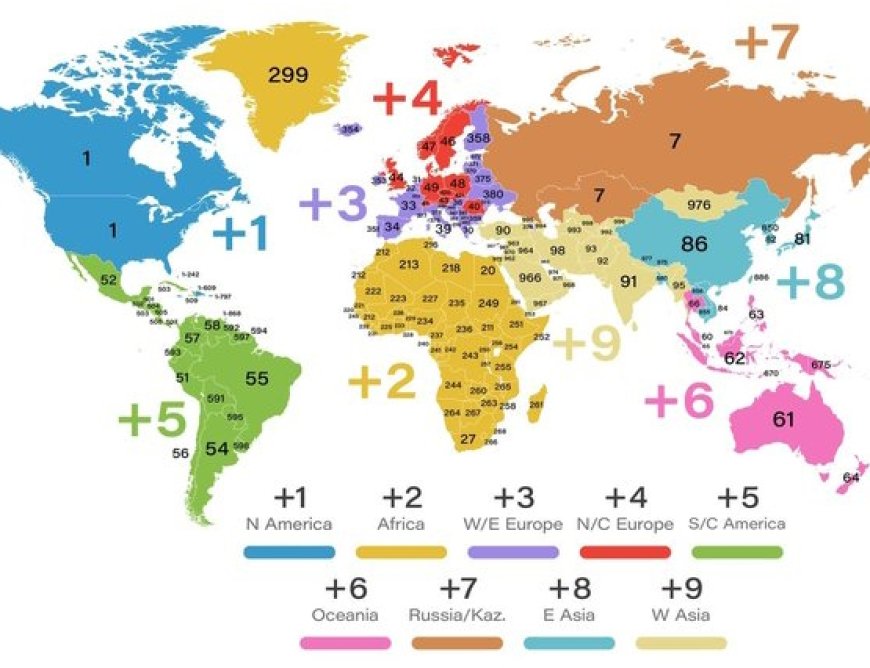
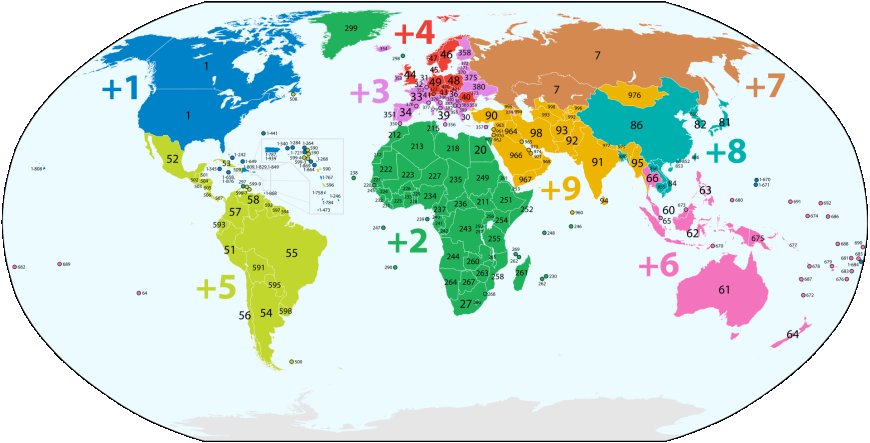
To organize the system efficiently, the world is divided into nine geographical zones. Each zone is generally represented by the first digit of the country code. For example, +1 covers North America, +2 is assigned to much of Africa, while +3 and +4 are used across Europe. Russia and some neighboring regions fall under +7.
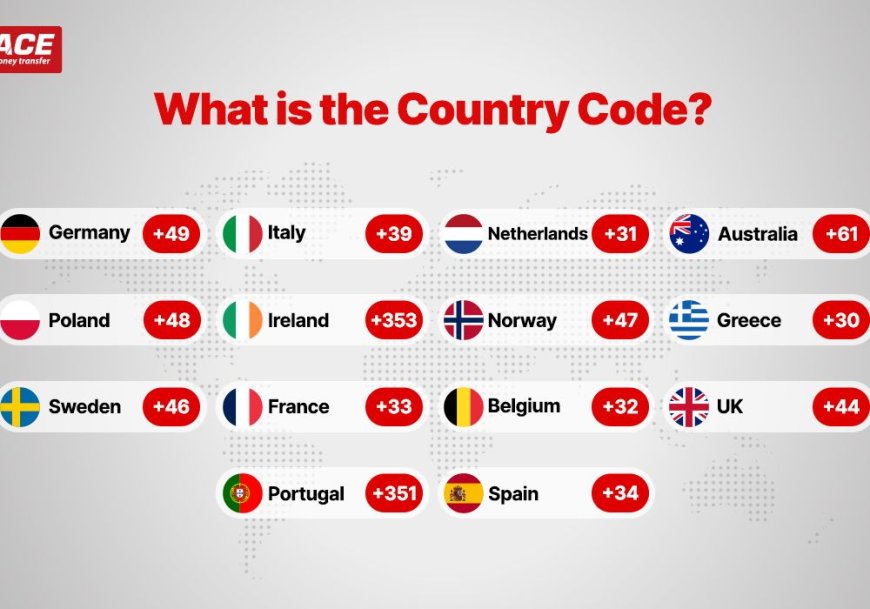
The structure of these codes is not random. Countries with large populations or those that developed telecommunications infrastructure early were often assigned shorter and simpler codes. For instance, the United States and Canada share the +1 code, while France uses +33 and the United Kingdom operates under +44.
The system was formally standardized in the 1960s as part of global efforts to modernize communication and replace operator-assisted international calling with direct dialing. Despite political changes and the emergence of new nations, many original codes have remained unchanged for consistency and reliability.
There are also unique cases in the system. Some codes are assigned based on technical or operational needs rather than full international recognition. For example, Taiwan uses the code 886. Additionally, the ITU has allocated certain codes to non-geographic services, including satellite communication systems.
Today, country codes remain a fundamental part of global connectivity, ensuring that billions of calls are accurately routed every day. Through its continued work, the International Telecommunication Union plays a central role in maintaining the structure and efficiency of worldwide telecommunications.
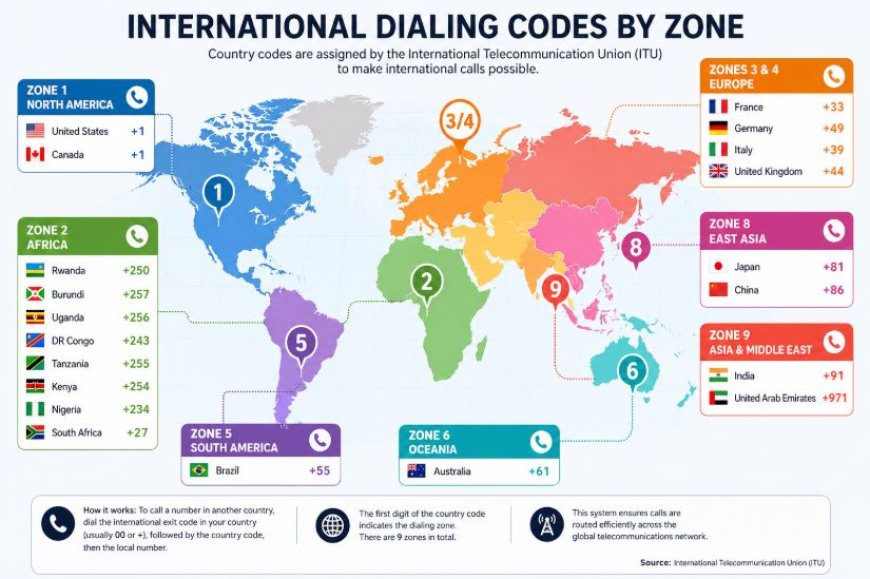
Here are 20 examples of telephone country codes, including all G7 countries and several African Great Lakes region countries:
G7 Countries (Major Economies)
- United States +1
- Canada +1
- United Kingdom +44
- France — +33
- Germany +49
- Italy +39
- Japan +81
African Great Lakes Region
- Rwanda +250
- Burundi +257
- Uganda +256
- Democratic Republic of the Congo +243
- Tanzania +255
- Kenya +254
Other Countries Around the World
- South Africa +27
- Nigeria +234
- India +91
- China +86
- Brazil +55
- Australia +61
- United Arab Emirates +971
Tags: