

The Illusion of Liberation: How Fake Belgian Independence Fueled Decades of Conflict and Genocide

The Illusion of Liberation: How Fake Belgian Independence Fueled Decades of Conflict and Genocide

Jul 1, 2026 - 09:11
 0

Was the independence of Belgium’s African colonies real or rigged? Discover how the engineered liberation of Congo, Rwanda, and Burundi led to decades of regional bloodshed.


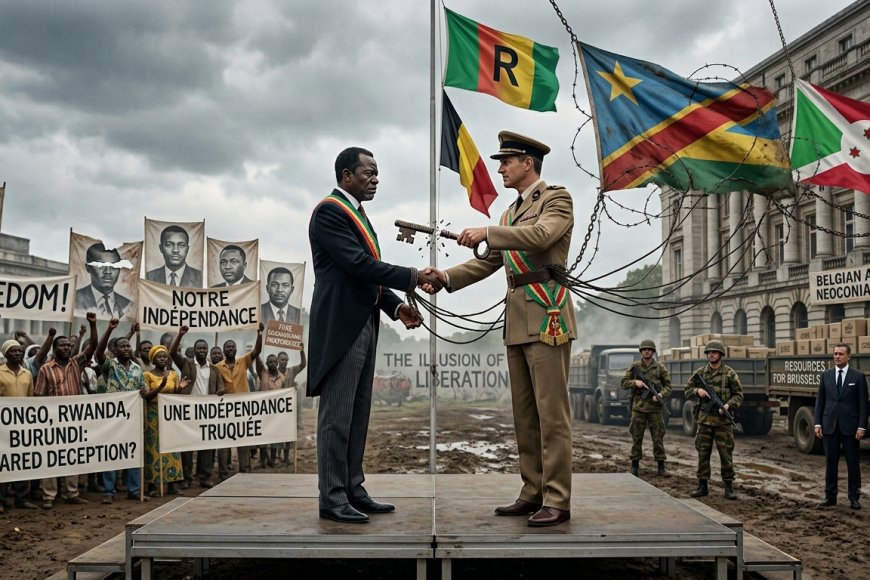
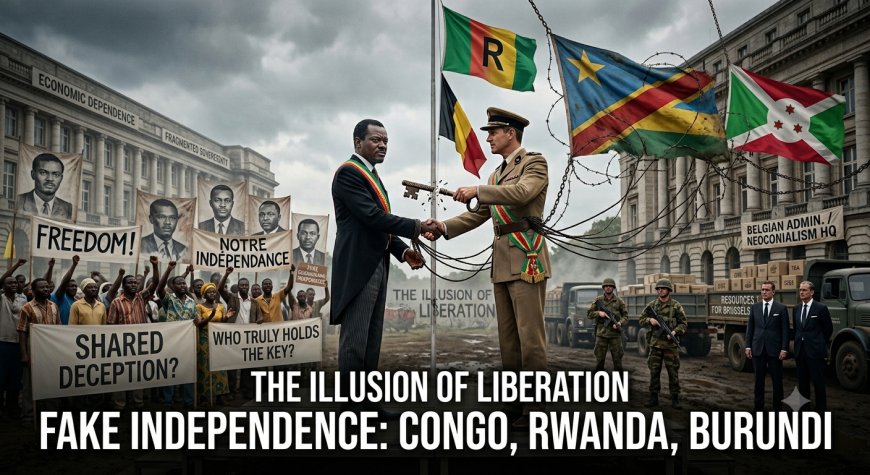
On June 30, 1960, the Democratic Republic of the Congo officially declared independence from Belgium, followed closely by Rwanda and Burundi on July 01,1962, the world celebrated a triumph of African liberation. However, a fierce consensus among historians and political critics argues that this "independence" was a deeply orchestrated illusion, a calculated transition from overt colonial rule to covert economic and political hegemony that left a legacy of catastrophic bloodshed.

The Engineered Collapse

Political critics argue that Belgium never intended to yield true sovereignty. When nationalist movements forced Brussels’ hand, it executed a hasty exit designed to leave behind administrative chaos.

Political analyst C.S. Manchester notes that this abrupt withdrawal allowed Western powers to "rule by an invisible hand," ensuring the newly formed nations lacked trained civil servants and centralized wealth. The departing metropole guaranteed a perpetual reliance on Belgian "technical assistance."

The "Puppet Master" Strategy

The most damning evidence of a "fake" independence lies in the immediate economic and military interventions that followed liberation. 

The assassination of the Congo’s democratically elected Prime Minister, Patrice Lumumba instigated with explicit Belgian complicity, proved that Brussels would not tolerate genuine self-determination.

Renowned political critic Ludo De Witte famously characterized Lumumba's assassination as a foundational act of neocolonialism, demonstrating that Belgium was willing to replace an authentic democratic leader with a compliant dictator (Mobutu Sese Seko) to secure its corporate mining monopolies in Katanga.

Furthermore, historical sociologist René Lemarchand has highlighted how Belgium structurally manipulated ethnic divisions in Ruanda-Urundi right up to the moment of independence. By abruptly shifting political allegiances between local groups, Belgian authorities actively sowed the seeds of the post-colonial civil wars and genocides that ravaged the region for decades.

From Manufactured Divisions to Genocide

The mechanics of this "fake" independence look particularly cynical in Rwanda and Burundi. Historically, the region shared deeply intertwined social structures. However, Belgian authorities weaponized identity, introducing rigid, racialized colonial ID cards in the 1930s.

Historical sociologist René Lemarchand has documented how Belgium systematically manipulated these social structures right up to July 1962. Facing a growing Tutsi nationalist movement demanding immediate, genuine independence, Belgium abruptly flipped its allegiance. They backed extremist political factions, installing a puppet regime and framing the transition of power as a majoritarian revolution.

Political critics argue that this institutionalized fracturing was intentionally left behind. By embedding an exclusionary, ethnocentric state apparatus at the moment of independence, Belgium directly sowed the seeds of the 1994 Genocide against the Tutsi in Rwanda, where over one million lives were systematically destroyed. The 1962 independence did not liberate the population; it codified a toxic, state-sponsored ideology of division that exploded decades later.

A Legacy of Eternal Conflict

Meanwhile, in the Congo, the assassination of Prime Minister Patrice Lumumba carried out with explicit Belgian complicity just months after independence—proved Brussels would not tolerate genuine self-determination. Author Ludo De Witte famously characterized Lumumba's murder as a foundational act of neocolonialism, designed to install the compliant dictatorship of Mobutu Sese Seko and safeguard corporate mining monopolies.

By leaving behind fractured political systems and artificial borders, Belgium successfully locked the three neighboring countries into a cycle of eternal division and conflict. The structural instability engineered in Rwanda and Burundi directly bled across borders, turning the eastern DRC into a geopolitical powder keg. For decades, the Great Lakes region has suffered from overlapping cross-border insurgencies, civil wars, and humanitarian crises—all rooted in the fragile, divided state models established in the 1960s.

The Verdict

Ultimately, historical critics view Belgian colonial independence as a rebranding exercise. By relinquishing the administrative burdens of direct governance while retaining control over natural resources and political structures, Belgium pioneered a model of nominal freedom. For the Congo, Rwanda, and Burundi, true sovereignty was not granted; it was systematically intercepted, leaving behind a legacy of division that the region is still forced to navigate today.
Gabriel IMANIRIHO Professional Journalist dedicated to fact-checking

The Illusion of Liberation: How Fake Belgian Independence Fueled Decades of Conflict and Genocide

Jul 1, 2026 - 09:11
Jul 1, 2026 - 09:29
 0
The Illusion of Liberation: How Fake Belgian Independence Fueled Decades of Conflict and Genocide

Was the independence of Belgium’s African colonies real or rigged? Discover how the engineered liberation of Congo, Rwanda, and Burundi led to decades of regional bloodshed.


On June 30, 1960, the Democratic Republic of the Congo officially declared independence from Belgium, followed closely by Rwanda and Burundi on July 01,1962, the world celebrated a triumph of African liberation. However, a fierce consensus among historians and political critics argues that this "independence" was a deeply orchestrated illusion, a calculated transition from overt colonial rule to covert economic and political hegemony that left a legacy of catastrophic bloodshed.

The Engineered Collapse

Political critics argue that Belgium never intended to yield true sovereignty. When nationalist movements forced Brussels’ hand, it executed a hasty exit designed to leave behind administrative chaos.

Political analyst C.S. Manchester notes that this abrupt withdrawal allowed Western powers to "rule by an invisible hand," ensuring the newly formed nations lacked trained civil servants and centralized wealth. The departing metropole guaranteed a perpetual reliance on Belgian "technical assistance."

The "Puppet Master" Strategy

The most damning evidence of a "fake" independence lies in the immediate economic and military interventions that followed liberation. 

The assassination of the Congo’s democratically elected Prime Minister, Patrice Lumumba instigated with explicit Belgian complicity, proved that Brussels would not tolerate genuine self-determination.

Renowned political critic Ludo De Witte famously characterized Lumumba's assassination as a foundational act of neocolonialism, demonstrating that Belgium was willing to replace an authentic democratic leader with a compliant dictator (Mobutu Sese Seko) to secure its corporate mining monopolies in Katanga.

Furthermore, historical sociologist René Lemarchand has highlighted how Belgium structurally manipulated ethnic divisions in Ruanda-Urundi right up to the moment of independence. By abruptly shifting political allegiances between local groups, Belgian authorities actively sowed the seeds of the post-colonial civil wars and genocides that ravaged the region for decades.

From Manufactured Divisions to Genocide

The mechanics of this "fake" independence look particularly cynical in Rwanda and Burundi. Historically, the region shared deeply intertwined social structures. However, Belgian authorities weaponized identity, introducing rigid, racialized colonial ID cards in the 1930s.

Historical sociologist René Lemarchand has documented how Belgium systematically manipulated these social structures right up to July 1962. Facing a growing Tutsi nationalist movement demanding immediate, genuine independence, Belgium abruptly flipped its allegiance. They backed extremist political factions, installing a puppet regime and framing the transition of power as a majoritarian revolution.

Political critics argue that this institutionalized fracturing was intentionally left behind. By embedding an exclusionary, ethnocentric state apparatus at the moment of independence, Belgium directly sowed the seeds of the 1994 Genocide against the Tutsi in Rwanda, where over one million lives were systematically destroyed. The 1962 independence did not liberate the population; it codified a toxic, state-sponsored ideology of division that exploded decades later.

A Legacy of Eternal Conflict

Meanwhile, in the Congo, the assassination of Prime Minister Patrice Lumumba carried out with explicit Belgian complicity just months after independence—proved Brussels would not tolerate genuine self-determination. Author Ludo De Witte famously characterized Lumumba's murder as a foundational act of neocolonialism, designed to install the compliant dictatorship of Mobutu Sese Seko and safeguard corporate mining monopolies.

By leaving behind fractured political systems and artificial borders, Belgium successfully locked the three neighboring countries into a cycle of eternal division and conflict. The structural instability engineered in Rwanda and Burundi directly bled across borders, turning the eastern DRC into a geopolitical powder keg. For decades, the Great Lakes region has suffered from overlapping cross-border insurgencies, civil wars, and humanitarian crises—all rooted in the fragile, divided state models established in the 1960s.

The Verdict

Ultimately, historical critics view Belgian colonial independence as a rebranding exercise. By relinquishing the administrative burdens of direct governance while retaining control over natural resources and political structures, Belgium pioneered a model of nominal freedom. For the Congo, Rwanda, and Burundi, true sovereignty was not granted; it was systematically intercepted, leaving behind a legacy of division that the region is still forced to navigate today.