

Opinion: Is it Safe to Travel to South Africa in 2026? Current Risks & Advice Explained
Thinking about South Africa? Discover the latest 2026 facts on safety, travel advisories, and how to navigate your trip securely.
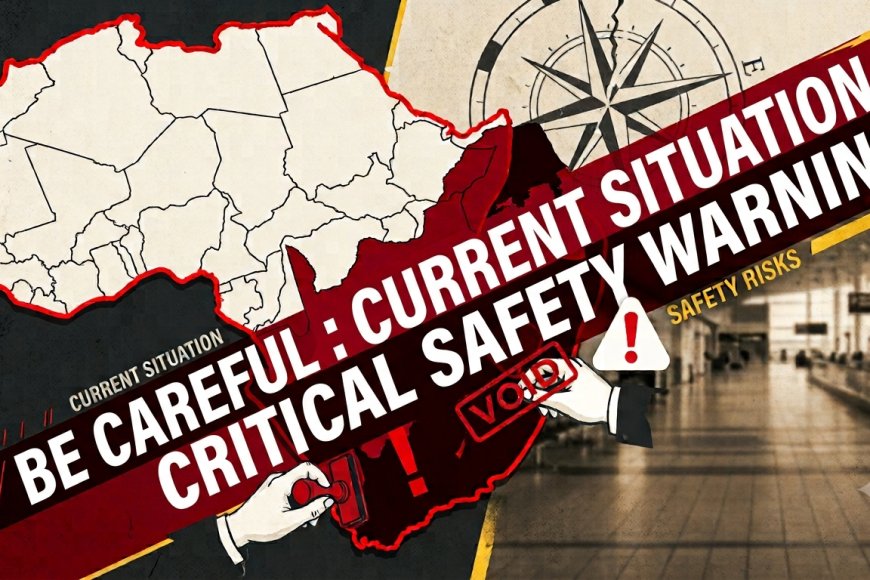
South Africa features breathtaking wildlife and vibrant cultures, but dynamic security challenges have travelers asking if they should cancel their plans. The consensus from international advisories is clear: you do not need a total ban, but you must exercise increased caution.
The Realities on the Ground
Safety in South Africa depends entirely on your geography and how your trip is structured:
Civil Unrest: Localized strikes and protests can erupt quickly, occasionally causing transport delays and blocking transit routes.
Infrastructure: Rolling power blackouts (load shedding) affect municipal services, though major tourist hotels and lodges utilize robust backup systems.
Crime Patterns: High rates of opportunistic crime and vehicle tracking are heavily concentrated in specific urban center CBDs and township approaches.
Travel Safely: The Micro-Climate Rule
A structured journey remains entirely manageable when you stick to well-vetted tourism corridors.
Private Safaris: Areas like Kruger’s inner circuits feature private transport and controlled boundaries, making them exceptionally secure.
The Western Cape: Tourist hubs like Cape Town or the Garden Route maintain strong tourism security, requiring only standard urban alertness.
Urban Hubs: Johannesburg and Durban demand high vigilance. Completely avoid walking at night and rely on pre-arranged, private airport transfers.
The Verdict: You don't need to skip South Africa entirely. By shifting away from casual, independent "DIY" road trips and partnering with reputable local operators, you can mitigate structural risks and experience the country safely.