

Germany Says US Troop Withdrawal Was Expected as NATO Seeks Answers
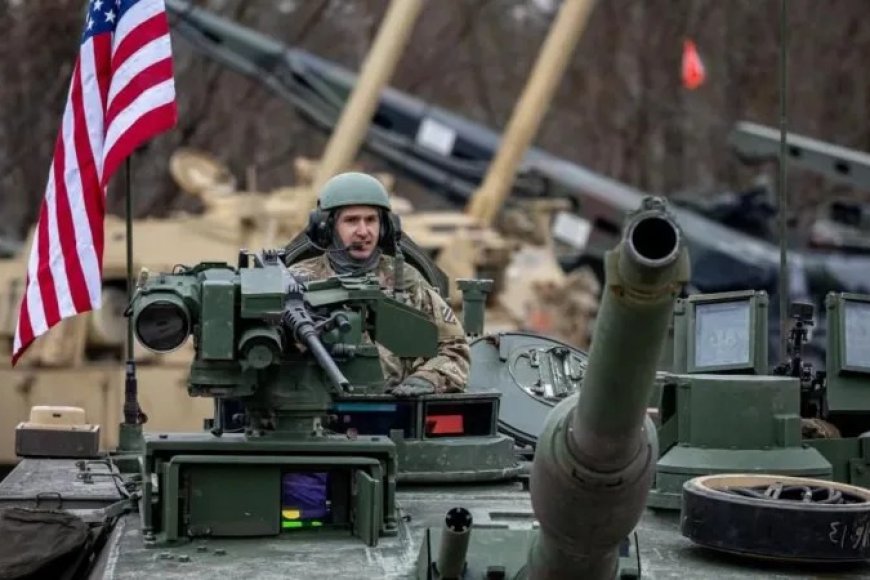
Germany’s defence minister has said the United States decision to remove 5,000 troops from Germany was expected, while NATO says it is asking Washington for more information.
Speaking to DPA news agency, Boris Pistorius said the move was "foreseeable". He also added that "the presence of American soldiers in Europe, and particularly in Germany, is in our interest and in the interest of the US".
At the same time, NATO spokeswoman Allison Hart said the alliance was "working with the US to understand the details of their decision".
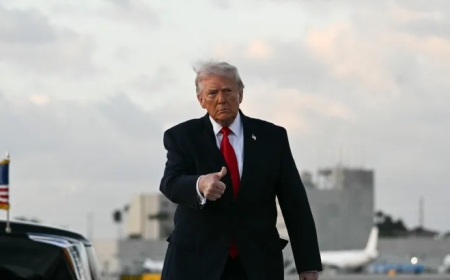
When asked on Saturday night about the troop withdrawal, President Donald Trump said: "We're going to cut way down, and we're cutting a lot further than 5,000." He did not give further details.
The decision comes after Trump criticised German Chancellor Friedrich Merz, who said the US had been "humiliated" by Iranian negotiators during the ongoing conflict.
The US military presence in Germany is the largest in Europe, with more than 36,000 active-duty troops. This is much higher than around 12,000 troops in Italy and 10,000 in the United Kingdom.
Trump has also suggested removing US troops from Italy and Spain.
Last year, Washington decided to lower troop numbers in Romania as part of Trump’s plan to shift US military attention from Europe to the Indo-Pacific region.
There is now concern among members of the 32-country NATO alliance that the latest US decision could weaken the organisation.
Polish Prime Minister Donald Tusk warned: "The greatest threat to the transatlantic community are not its external enemies, but the ongoing disintegration of our alliance."
"We must all do what it takes to reverse this disastrous trend," he added.
Two senior Republican lawmakers in the US also expressed concern about the decision.
They said they were "very concerned by the decision to withdraw a US brigade from Germany".
"Rather than withdrawing forces from the continent altogether, it is in the US interest to maintain a strong deterrent in Europe," said Senator Roger Wicker and Representative Mike Rogers, who lead the Senate and House armed services committees.
In the interview with DPA, Pistorius also said Europe must take more responsibility for its own security. He said Berlin would work more closely with European allies.
"Germany is on the right track," he said, noting that the country has greatly increased defence spending in recent years.
Trump had earlier criticised Germany, saying it was "delinquent" because its defence spending was below NATO’s target of 2% of GDP.
However, defence spending began rising under former Chancellor Olaf Scholz and has continued under Merz’s government. Germany is expected to spend €105.8 billion (£91 billion) on defence in 2027.
Germany’s total defence spending is expected to reach 3.1% of GDP when other defence funds are included, such as continued support for Ukraine in its war against Russian forces.
Trump, who has often criticised NATO, has also attacked allies for refusing to join operations to reopen the Strait of Hormuz, an important oil shipping route. Iran has heavily restricted traffic there after US and Israeli strikes that began on 28 February.