

US Pushes “Grand Bargain” with Iran as Tensions Escalate in Gulf and Israel-Lebanon Front
The geopolitical climate in the Middle East is growing increasingly tense, as the United States signals interest in a major diplomatic agreement with Iran while military activities escalate across the region.
Earlier, Donald Trump indicated that negotiations between the United States and Iran might resume in Pakistan within the next couple of days, raising expectations of renewed diplomacy, though Tehran has not yet issued any official response.
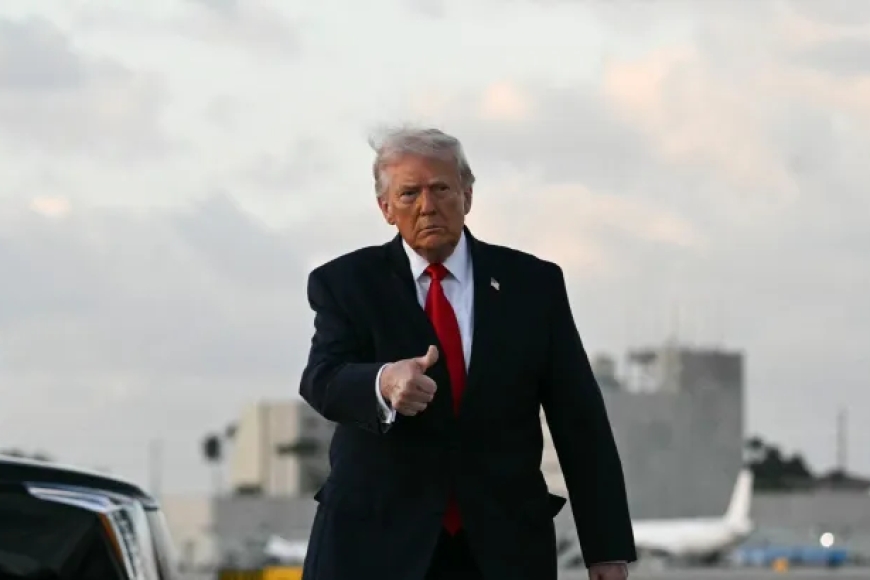
Speaking recently, US Vice-President JD Vance indicated that Donald Trump is aiming to negotiate what he described as a “grand bargain” with Iran. The proposal suggests a potential shift toward diplomacy despite mounting pressure and military maneuvers.
However, Iran has responded firmly. President Ebrahim Raisi dismissed any notion of capitulation, warning that attempts to force Iran into submission are “destined to fail.” His remarks highlight Tehran’s resistance to external pressure and its insistence on sovereignty in negotiations.
Naval Blockade Disrupts Trade Routes
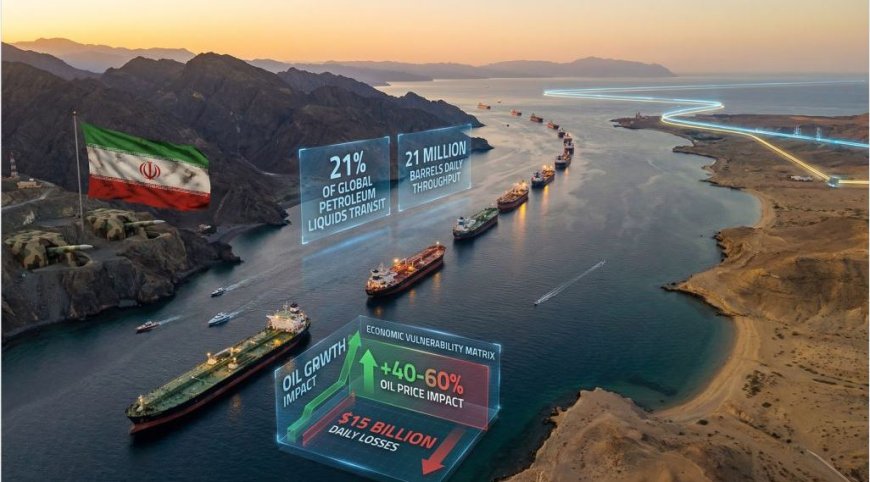
An Iranian military commander has warned that vital shipping routes in the Persian Gulf and the Red Sea could face disruption if the United States maintains its naval blockade, raising concerns about the security of global trade corridors.
At the same time, military developments are intensifying economic strain. According to United States Central Command, naval operations in the region have significantly disrupted maritime trade linked to Iran.
Admiral Brad Cooper stated that the blockade has effectively brought Iranian port activity to a standstill. “Economic trade has been completely halted,” he said, underscoring the scale of the disruption.
Although some vessels attempted to pass through the strategic Strait of Hormuz, several were forced to turn back. Reports indicate that at least six ships reversed course, with tracking data confirming unusual movements, including U-turns in the Gulf of Oman.
Israel-Hezbollah Conflict Intensifies
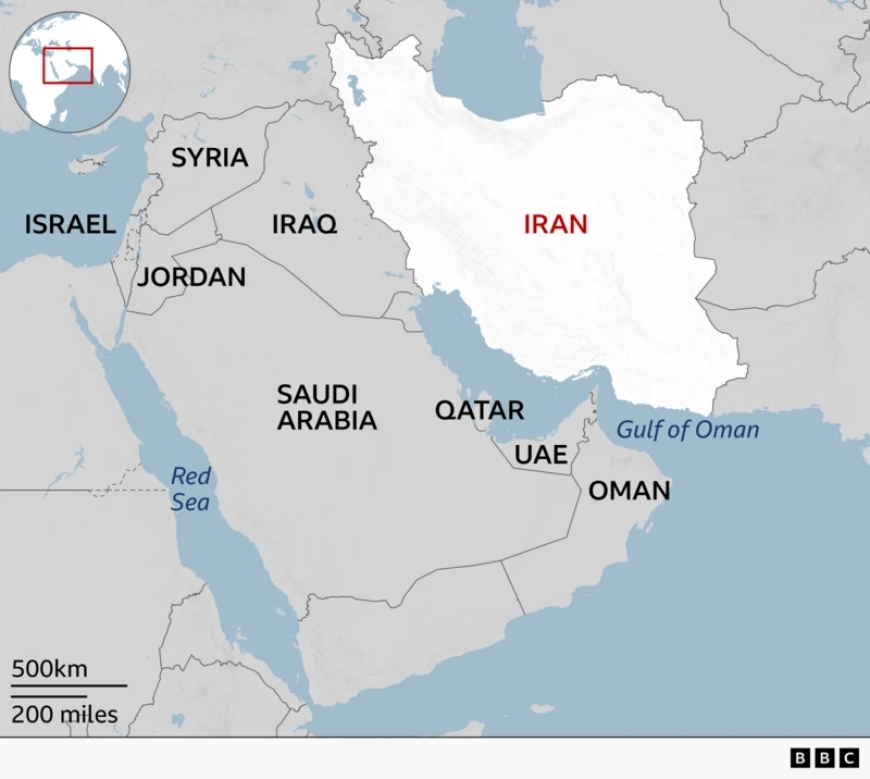
Meanwhile, tensions are also escalating along the Israel-Lebanon border. Israel has continued its strikes targeting positions linked to Hezbollah in Lebanon, following diplomatic discussions with Lebanese officials held in the United States earlier this week.
In response, Hezbollah has reportedly launched approximately 30 strikes toward northern Israel, according to an Israeli official cited by AFP. The exchange of attacks signals a continued cycle of retaliation that risks widening the conflict.
Predictable Path Forward
The combination of diplomatic overtures and escalating military actions reflects a fragile and uncertain moment for the region. While Washington hints at negotiation, actions on the ground suggest pressure tactics remain firmly in play.
With trade routes disrupted, regional actors engaged in active conflict, and rhetoric hardening on all sides, the prospect for stability remains unclear. The coming days will be critical in determining whether diplomacy can prevail over confrontation.
Tags: