

From Hormuz to Nairobi: How a War Abroad Emptied Africa’s Tanks

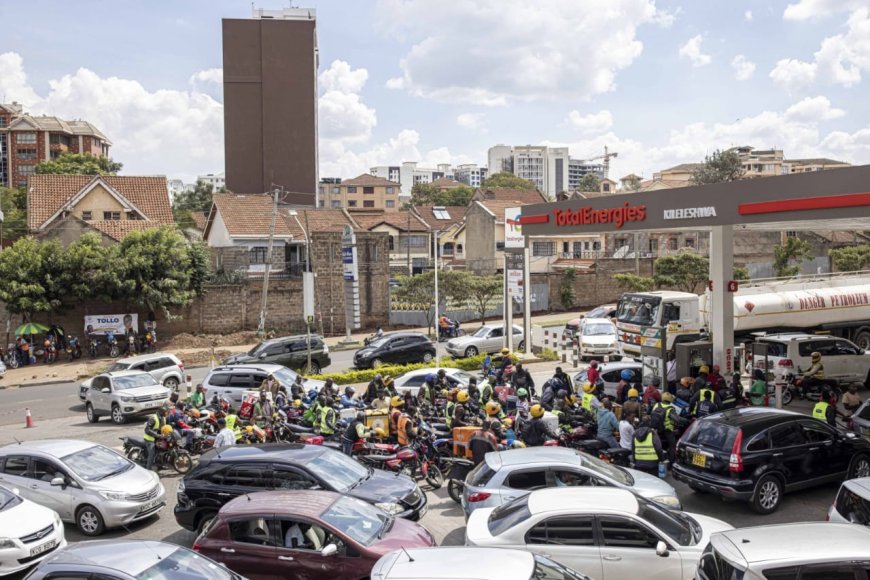
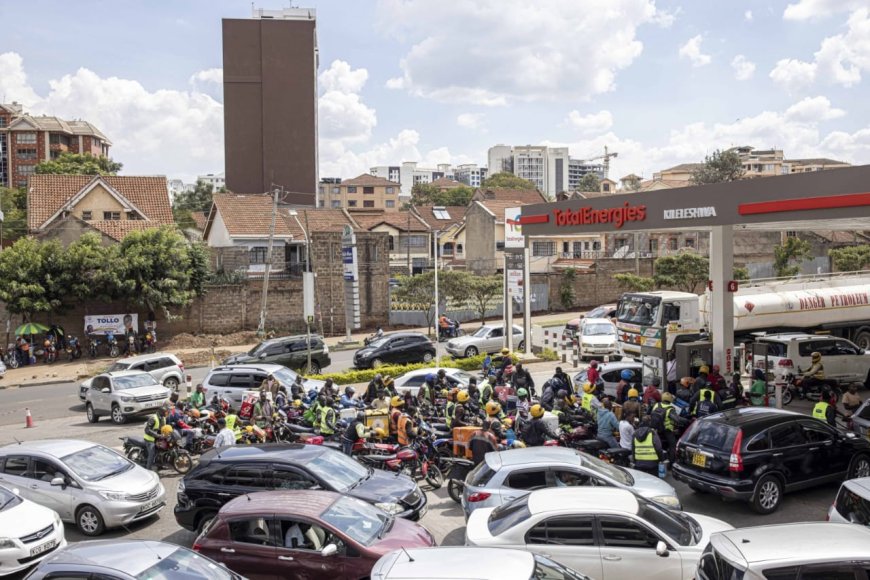
In Nairobi, attendants speak of irregular deliveries and rising prices. They do not need to follow the news from the Gulf; the evidence is in the line of cars waiting for fuel. When Iran closed the Strait of Hormuz, oil prices shot past one hundred dollars a barrel. Africa, dependent on imports routed through that narrow waterway, was left exposed. Economists from Nigeria, South Africa, Senegal, Kenya and Ethiopia all agreed the shock was real and painful.
South Africa moved quickly, announcing steep increases in petrol and diesel. The finance minister cut levies to soften the blow, but inflation targets are now under pressure. Tanzania, heavily reliant on Gulf imports for fuel and fertiliser, faces warnings of inflation and slower growth. Its tourism industry suffers as flights through Gulf airports are disrupted. Ethiopia, with no crude oil of its own, leans on subsidies to shield citizens, yet remains vulnerable to any disruption at Djibouti port. Kenya has held prices steady for now, but analysts expect a sharp rise as older shipments run out. Inflation already ticked upward in March, driven by food costs.
Beyond the pumps, another crisis brews in the fields. Fertiliser shipments from the Gulf have slowed, threatening planting seasons. Farmers may plant less, yields may fall, and food prices will climb further. Senegal convened emergency meetings to secure supplies. Mauritius, left with only three weeks of fuel stock after a tanker failed to arrive, scrambled for costly alternatives from Singapore.
Egypt counts losses in the Suez Canal, while Nigeria alone sees short‑term gains from higher oil prices. Yet even there, economists warn that windfalls rarely reach ordinary households. For most of Africa, this is not opportunity but burden. Leaders speak of mediation, but the continent has little voice in a war it did not start. The queues at the stations, the empty fertiliser bags, the rising bills, these are the reminders that Africa is paying for a conflict thousands of miles away.