

President Kagame warns against genocide distortion, urges youth to protect national unity

President Kagame warns against genocide distortion, urges youth to protect national unity

Jun 28, 2026 - 00:20
 0

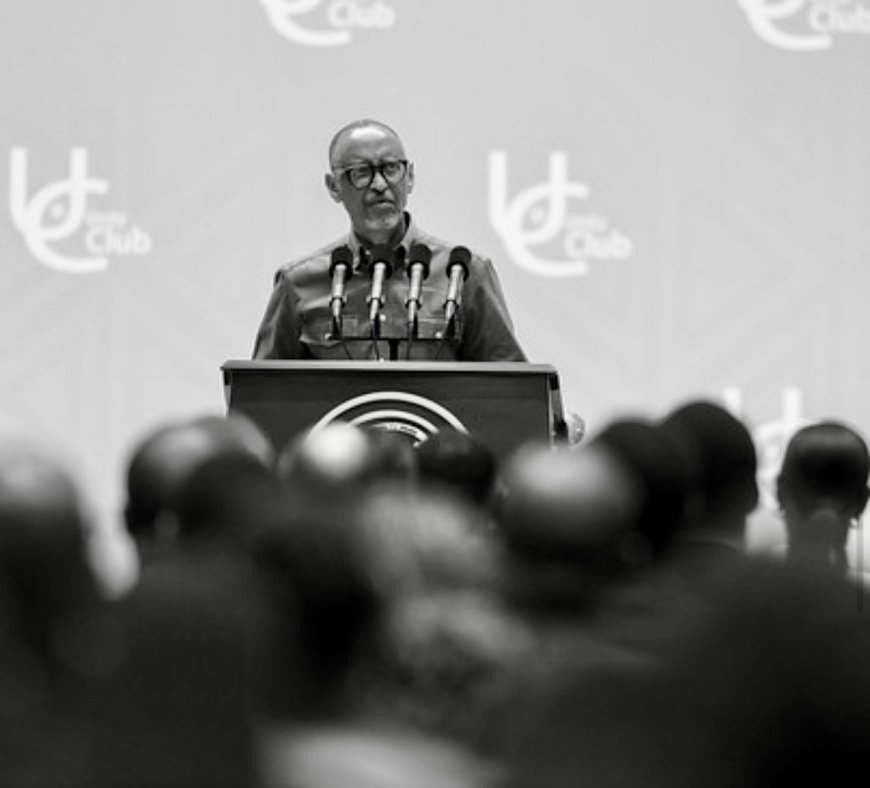
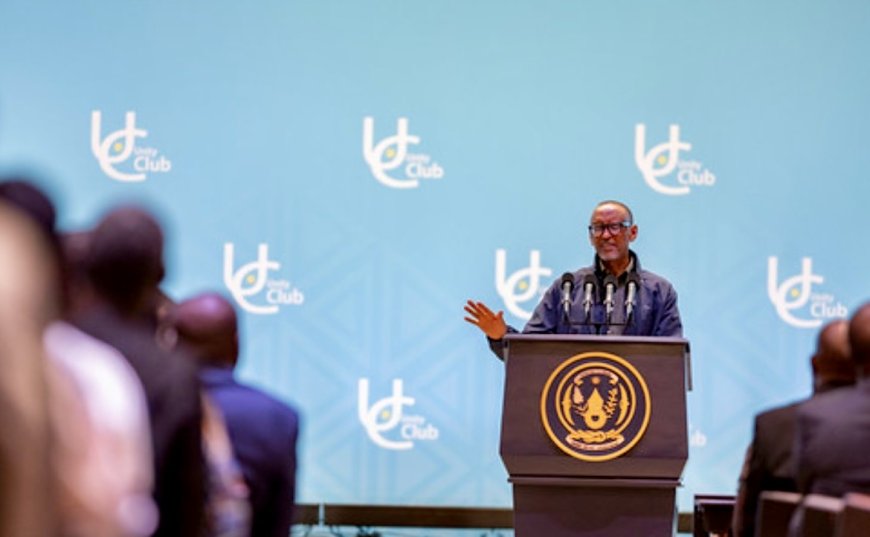
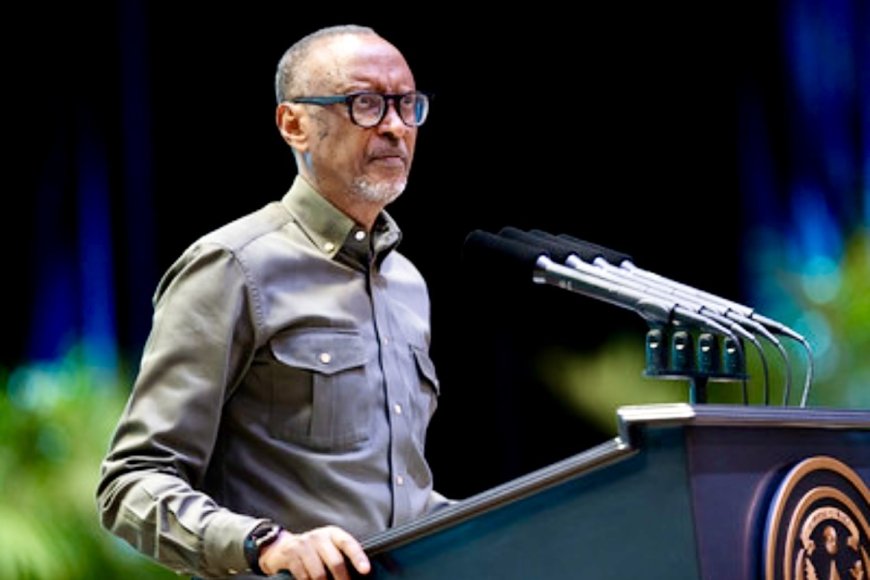
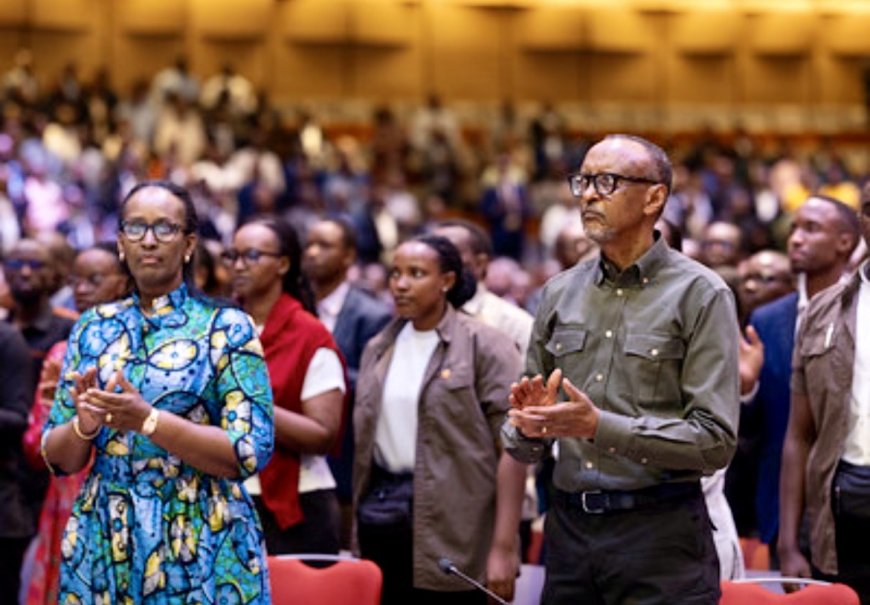
President Paul Kagame addresses the Unity Club, warning that Rwanda cannot remain hostage to historical distortions and urges the youth to safeguard national unity.


President Paul Kagame has asserted that while diverse viewpoints regarding Rwanda’s past are to be expected, the nation cannot allow its progress to be held back by individuals who continue to deny or misrepresent the factual realities of the 1994 Genocide against the Tutsi.

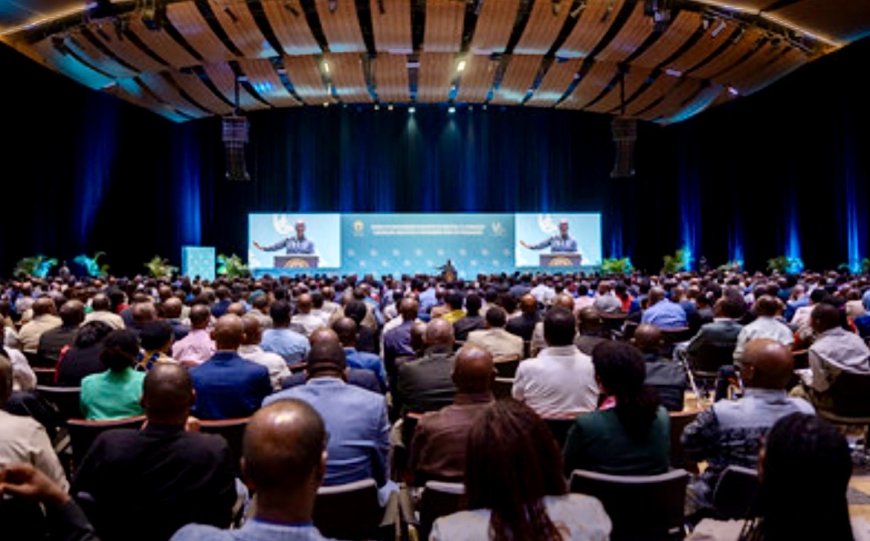
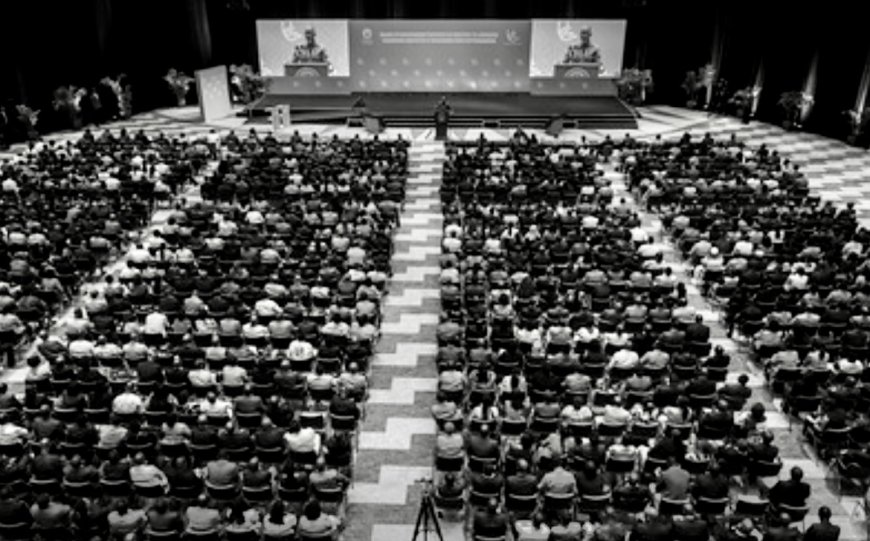
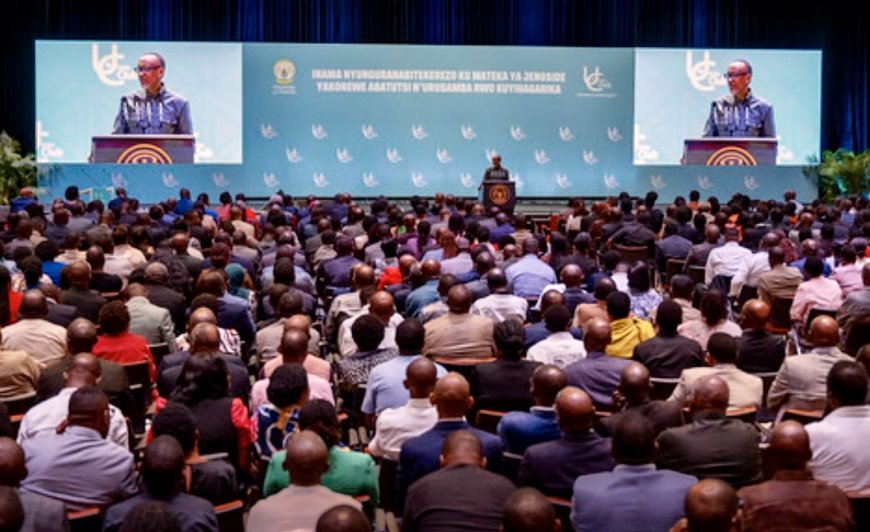
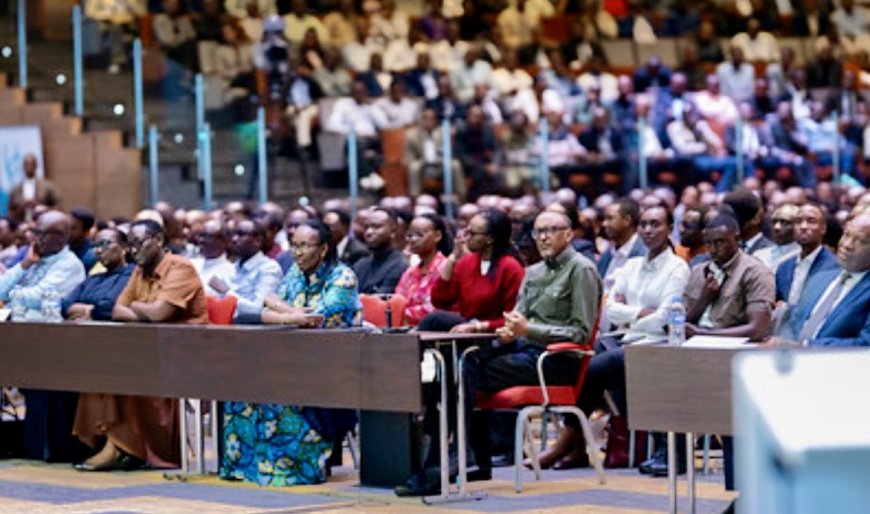
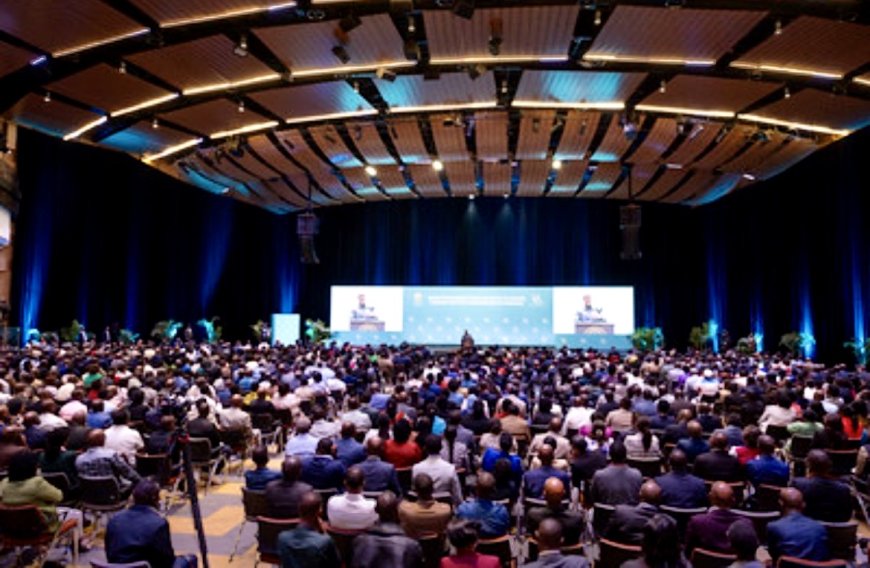
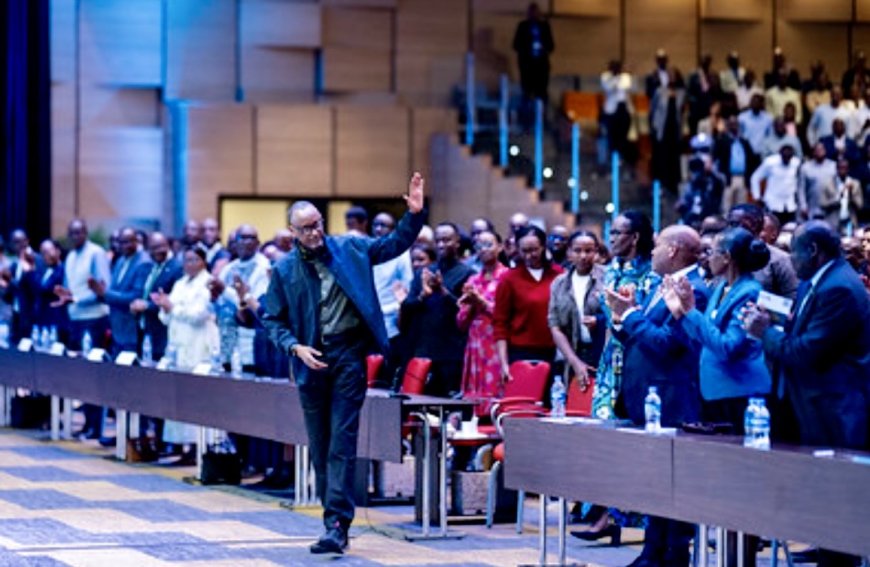
The Head of State shared these insights during the second session of a consultative forum organized by the Unity Club Intwararumuri. The dialogue, which took place on Saturday, May 27, centered on the history surrounding the Genocide against the Tutsi and the historic efforts to halt it.

During the event, President Kagame praised the Unity Club for establishing an open forum where Rwandans can navigate sensitive but vital dialogues about their shared past.

"I want to thank Unity Club because they initiated this dialogue. The first phase focused on understanding our history, and I wanted to be part of this second phase as well," he said.

The President noted that constructing a unified historical narrative is an intricate task, given the varied personal experiences, motivations, and backgrounds of individuals throughout Rwanda’s complex history.

"People may have different interpretations because of where they stood in history, what they benefited from, or even the guilt they carry over what happened. That is understandable," Kagame said.

Nevertheless, he highlighted that the primary objective must be rising above these differences to embrace verified facts that support national development.

"There are truths that cannot be changed because there is evidence and because some people have openly confessed to what they did. When someone admits their crimes, why continue debating instead of learning from that and using it to achieve the future we want?" he asked.

According to Kagame, a significant portion of historical denialism comes from a refusal to accept accountability. While Rwanda has deliberately provided its citizens with the time and space to process this history, he clarified that this patience is not infinite.

"That opportunity was necessary and deserved. But there comes a point where the nation must move forward. The country cannot remain a hostage to endless arguments that ignore established truths," he said.

The Complexity of Human Emotion and Accountability

President Kagame observed that personal ties often distort the pursuit of objective truth, particularly when the perpetrators of atrocities are friends, relatives, or ideological allies.

"People naturally want to protect those close to them. Even when there is evidence, some attempt to deny crimes because acknowledging them may also implicate others who think or believe the same way," he said.

He further noted that some individuals still fail to view these historical atrocities as crimes, operating under the dangerous assumption that the victims were somehow to blame.

"These are human realities, but as Rwandans, we must seek solutions that allow us to rise above them," Kagame said.

Acknowledging that Rwanda cannot escape its dark moments, the President reminded citizens of their duty to ensure that the past does not dictate their future.

"The history is ours, but we also have a responsibility to say that it was never meant to be that way. That is what independence truly means," he said.

He connected this sense of sovereign independence directly to a dignified national identity.

"As Rwandans, our identity should never be something that humiliates us. That is what we live for and, if necessary, what we can die for," he said.

Additionally, Kagame championed Rwanda’s framework of reconciliation and restorative justice, clarifying that offering perpetrators a second chance was never an erasure of their crimes, but a strategic decision to break the cycle of violence.

A Warning and Call to Action for Rwanda’s Youth

Addressing the younger generation in the audience, President Kagame cautioned them to thoroughly study the root causes of the Genocide against the Tutsi, warning that underlying societal evils can resurface if left unaddressed.

"Many of you are young and did not experience this history directly. You know it through reading and learning. But what happened had many causes; political, ideological, and social. If those causes are not corrected, similar problems can emerge again, even among people who believe they are detached from that past," he said.

He reminded the youth that they are highly influenced by their surroundings and the societal values passed down to them.

"The tragedy that happened in Rwanda was not an accident. It was the result of bad politics and a system that rewarded wrongdoing until it became normal and eventually turned into a culture," Kagame said.

Concluding his remarks, the President stated that while foreign actors played a role in Rwanda's historical fractures, the ultimate responsibility for safeguarding the nation's future rests entirely on Rwandan shoulders.

"There may be some truth in saying that certain things came from outside, but I do not want us to place the blame elsewhere. We must accept our responsibility and ensure that our future is built on truth, justice, and unity," he said.

Photos:
Gabriel IMANIRIHO Professional Journalist dedicated to fact-checking

President Kagame warns against genocide distortion, urges youth to protect national unity

Jun 28, 2026 - 00:20
Jun 28, 2026 - 00:26
 0
President Kagame warns against genocide distortion, urges youth to protect national unity

President Paul Kagame addresses the Unity Club, warning that Rwanda cannot remain hostage to historical distortions and urges the youth to safeguard national unity.


President Paul Kagame has asserted that while diverse viewpoints regarding Rwanda’s past are to be expected, the nation cannot allow its progress to be held back by individuals who continue to deny or misrepresent the factual realities of the 1994 Genocide against the Tutsi.

The Head of State shared these insights during the second session of a consultative forum organized by the Unity Club Intwararumuri. The dialogue, which took place on Saturday, May 27, centered on the history surrounding the Genocide against the Tutsi and the historic efforts to halt it.

During the event, President Kagame praised the Unity Club for establishing an open forum where Rwandans can navigate sensitive but vital dialogues about their shared past.

"I want to thank Unity Club because they initiated this dialogue. The first phase focused on understanding our history, and I wanted to be part of this second phase as well," he said.

The President noted that constructing a unified historical narrative is an intricate task, given the varied personal experiences, motivations, and backgrounds of individuals throughout Rwanda’s complex history.

"People may have different interpretations because of where they stood in history, what they benefited from, or even the guilt they carry over what happened. That is understandable," Kagame said.

Nevertheless, he highlighted that the primary objective must be rising above these differences to embrace verified facts that support national development.

"There are truths that cannot be changed because there is evidence and because some people have openly confessed to what they did. When someone admits their crimes, why continue debating instead of learning from that and using it to achieve the future we want?" he asked.

According to Kagame, a significant portion of historical denialism comes from a refusal to accept accountability. While Rwanda has deliberately provided its citizens with the time and space to process this history, he clarified that this patience is not infinite.

"That opportunity was necessary and deserved. But there comes a point where the nation must move forward. The country cannot remain a hostage to endless arguments that ignore established truths," he said.

The Complexity of Human Emotion and Accountability

President Kagame observed that personal ties often distort the pursuit of objective truth, particularly when the perpetrators of atrocities are friends, relatives, or ideological allies.

"People naturally want to protect those close to them. Even when there is evidence, some attempt to deny crimes because acknowledging them may also implicate others who think or believe the same way," he said.

He further noted that some individuals still fail to view these historical atrocities as crimes, operating under the dangerous assumption that the victims were somehow to blame.

"These are human realities, but as Rwandans, we must seek solutions that allow us to rise above them," Kagame said.

Acknowledging that Rwanda cannot escape its dark moments, the President reminded citizens of their duty to ensure that the past does not dictate their future.

"The history is ours, but we also have a responsibility to say that it was never meant to be that way. That is what independence truly means," he said.

He connected this sense of sovereign independence directly to a dignified national identity.

"As Rwandans, our identity should never be something that humiliates us. That is what we live for and, if necessary, what we can die for," he said.

Additionally, Kagame championed Rwanda’s framework of reconciliation and restorative justice, clarifying that offering perpetrators a second chance was never an erasure of their crimes, but a strategic decision to break the cycle of violence.

A Warning and Call to Action for Rwanda’s Youth

Addressing the younger generation in the audience, President Kagame cautioned them to thoroughly study the root causes of the Genocide against the Tutsi, warning that underlying societal evils can resurface if left unaddressed.

"Many of you are young and did not experience this history directly. You know it through reading and learning. But what happened had many causes; political, ideological, and social. If those causes are not corrected, similar problems can emerge again, even among people who believe they are detached from that past," he said.

He reminded the youth that they are highly influenced by their surroundings and the societal values passed down to them.

"The tragedy that happened in Rwanda was not an accident. It was the result of bad politics and a system that rewarded wrongdoing until it became normal and eventually turned into a culture," Kagame said.

Concluding his remarks, the President stated that while foreign actors played a role in Rwanda's historical fractures, the ultimate responsibility for safeguarding the nation's future rests entirely on Rwandan shoulders.

"There may be some truth in saying that certain things came from outside, but I do not want us to place the blame elsewhere. We must accept our responsibility and ensure that our future is built on truth, justice, and unity," he said.

Photos: