

Russian Drone and Missile Attacks Kill 16 in Ukraine Amid Escalating Violence

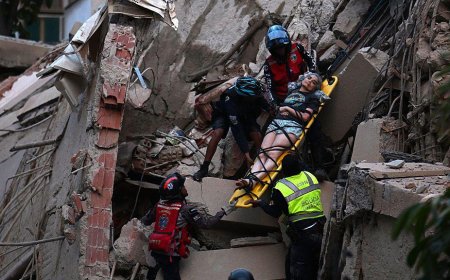
A series of drone and missile attacks launched by Russia across Ukraine on Wednesday night has left at least 16 people dead and injured around 100, according to Ukrainian officials.
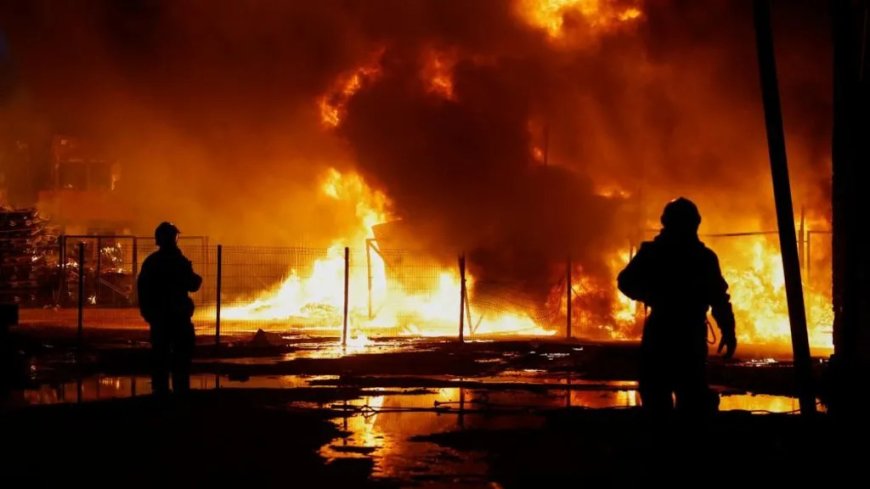
Multiple Ukrainian cities including Kyiv, Odesa, Dnipro, and Kharkiv, came under heavy fire overnight, with strikes continuing into Thursday morning.
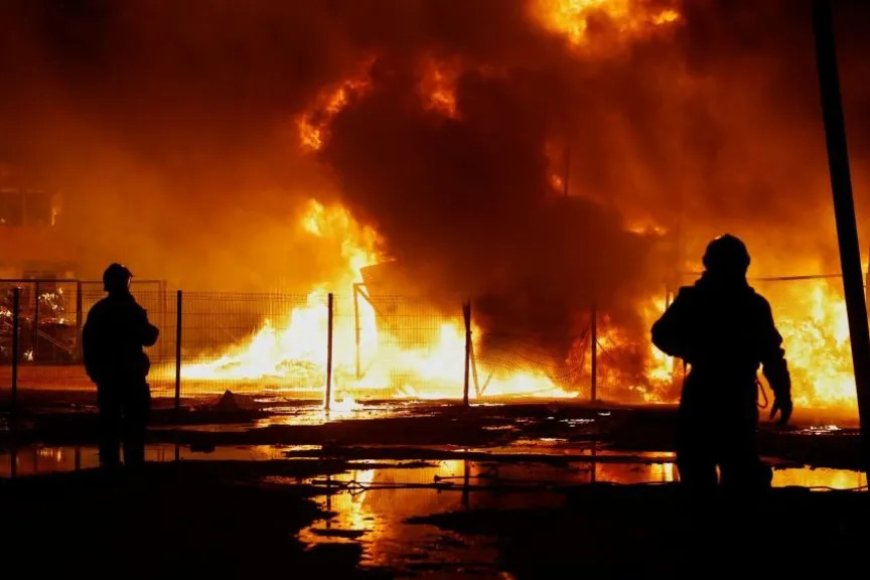
The most severe impact was reported in Odesa, where local authorities said eight people lost their lives. In Kyiv, several civilians were hurt, including emergency responders, while a young boy was among those reported dead. Dnipro also suffered significant damage after a missile strike claimed three lives, injured many others, and sparked fires in buildings.
In Kharkiv, a drone attack left two civilians wounded, including an elderly woman.
The conflict extended beyond Ukraine’s territory. In Russia’s Krasnodar Krai, officials confirmed that a drone strike attributed to Ukraine resulted in the deaths of two children. Regional governor Veniamin Kondratyev acknowledged the incident.
These attacks followed a short-lived pause in fighting during the Orthodox Easter period, which both sides accused each other of violating.
Reacting to the escalation, Ukrainian President Volodymyr Zelensky said the country’s air defenses had intercepted hundreds of incoming drones within a day. Despite these efforts, a large number of drones and missiles still struck targets across the country.
Zelensky argued that Moscow remains committed to continuing the war and called for stronger international support. Foreign Minister Andrii Sybiha described the strikes as violations of international law and urged allies to respond with increased pressure and assistance.
Now entering its fifth year, the war has seen repeated diplomatic attempts with limited success. Peace efforts have slowed further as the United States shifts its strategic attention elsewhere. While Ukraine continues to push for an immediate ceasefire, Russia maintains that broader negotiations must come first, leaving prospects for peace uncertain.